

This is a guest post by Ben Messenger from Dark Side City Tours in Rome, Italy. We love haunted history all over the world so we thought you might enjoy it too!
Rome has never lacked for powerful figures. Emperors, popes, generals who bent the world to their will. The city's practically built on their bones. But few have haunted Rome, both in life and death, quite like Donna Olimpia Maidalchini.
In the 17th century, she was the most feared woman in Christendom. Romans called her La Pimpaccia di Piazza Navona (the Wicked Woman) and La Papessa , the She-Pope. She ran the Vatican from the shadows, built an empire on brothels and blackmail, and when the Pope died, she looted his corpse and fled across the Tiber with a carriage stuffed with gold.
And if Roman legend holds true, she's still fleeing. Every night just before dawn, a phantom carriage thunders across Ponte Sisto. Headless horses pull it forward, carrying a woman clutching stolen treasure, pursued by demons clawing at her soul.
This is the story of how a merchant's daughter became the power behind the papal throne, and why her restless spirit may never find peace.
From Viterbo to the Vatican: A Ruthless Rise
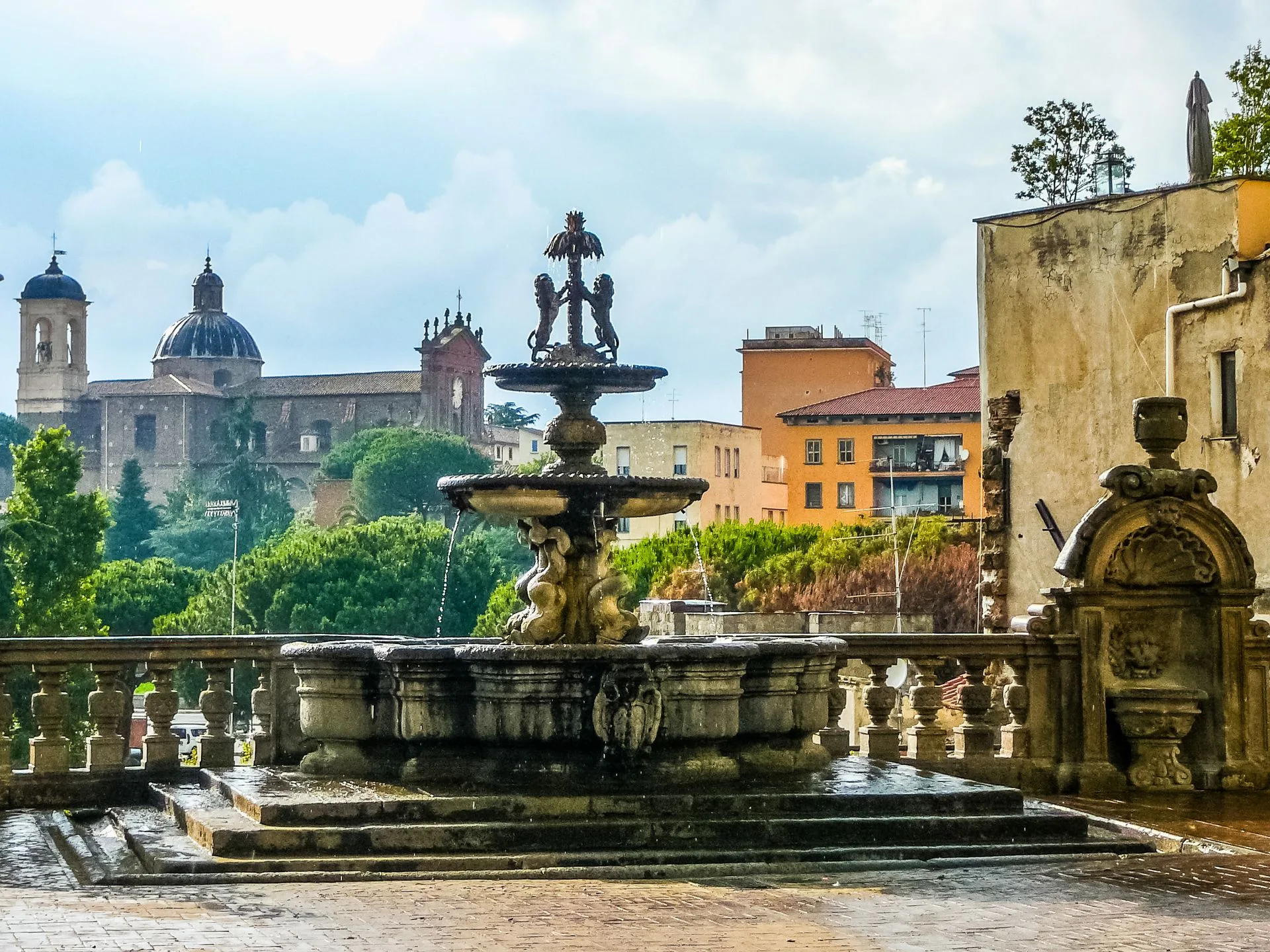
Olimpia Maidalchini was born in 1591 in Viterbo, a town north of Rome. Her father was a respectable but stubborn merchant who flatly refused to provide dowries for his daughters. In 17th-century Italy, that meant one thing: the convent. A slow death by boredom and obedience.
Olimpia wasn't having it.
She defied her family and married Paolo Nini, the wealthiest man in town, without permission. Conveniently for Olimpia, Paolo died just two years later, leaving her a considerable fortune. With wealth came options, and she knew exactly where to take them. Rome. The beating heart of power, wealth, and corruption.
Once there, she did something few women of her time dared: she entered business.
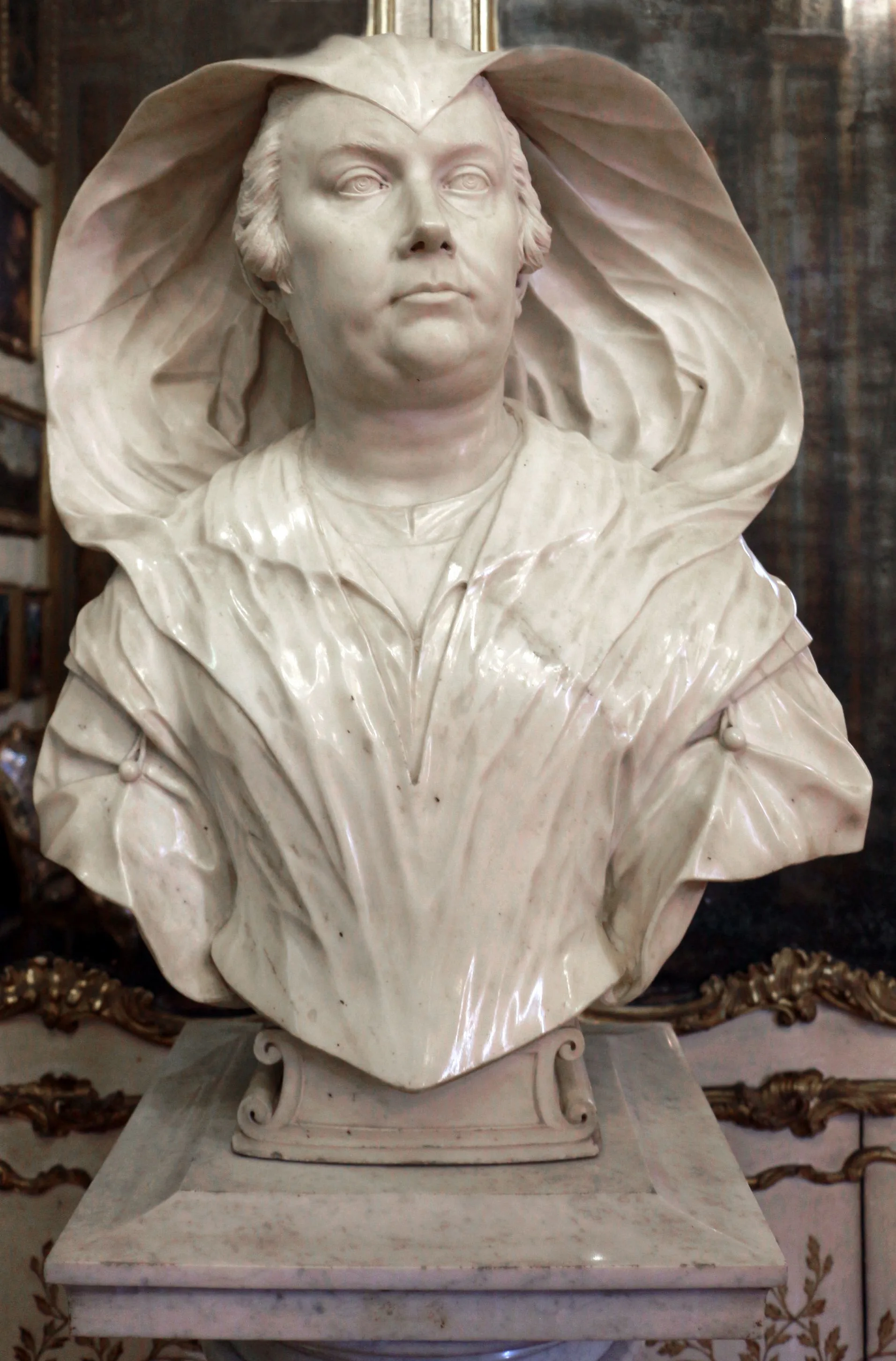
The Brothel Queen of Rome
Olimpia started investing in brothels and properties, including several on Via delle Zoccolette (literally "Street of the Little Prostitutes"). But she wasn't just a landlord collecting rent. She was building a network.
Her brothels doubled as intelligence hubs. Cardinals, priests, and nobles talked freely in the company of women they considered beneath notice. Olimpia listened. Secrets slipped into her hands like coins, and she learned to weaponize them with surgical precision.
Even her so-called charity work (running an orphanage and a retirement home for sex workers) was part of the same ruthless efficiency. In a city where virtue and vice were often indistinguishable, Olimpia spoke the language of piety to the Church and the language of profit to everyone else.
It wasn't long before she caught the eye of one of Rome's most powerful families: the Pamphili. Her second marriage, to Pamphilio Pamphili, elevated her into the ranks of Roman nobility. Her true ascent had begun.
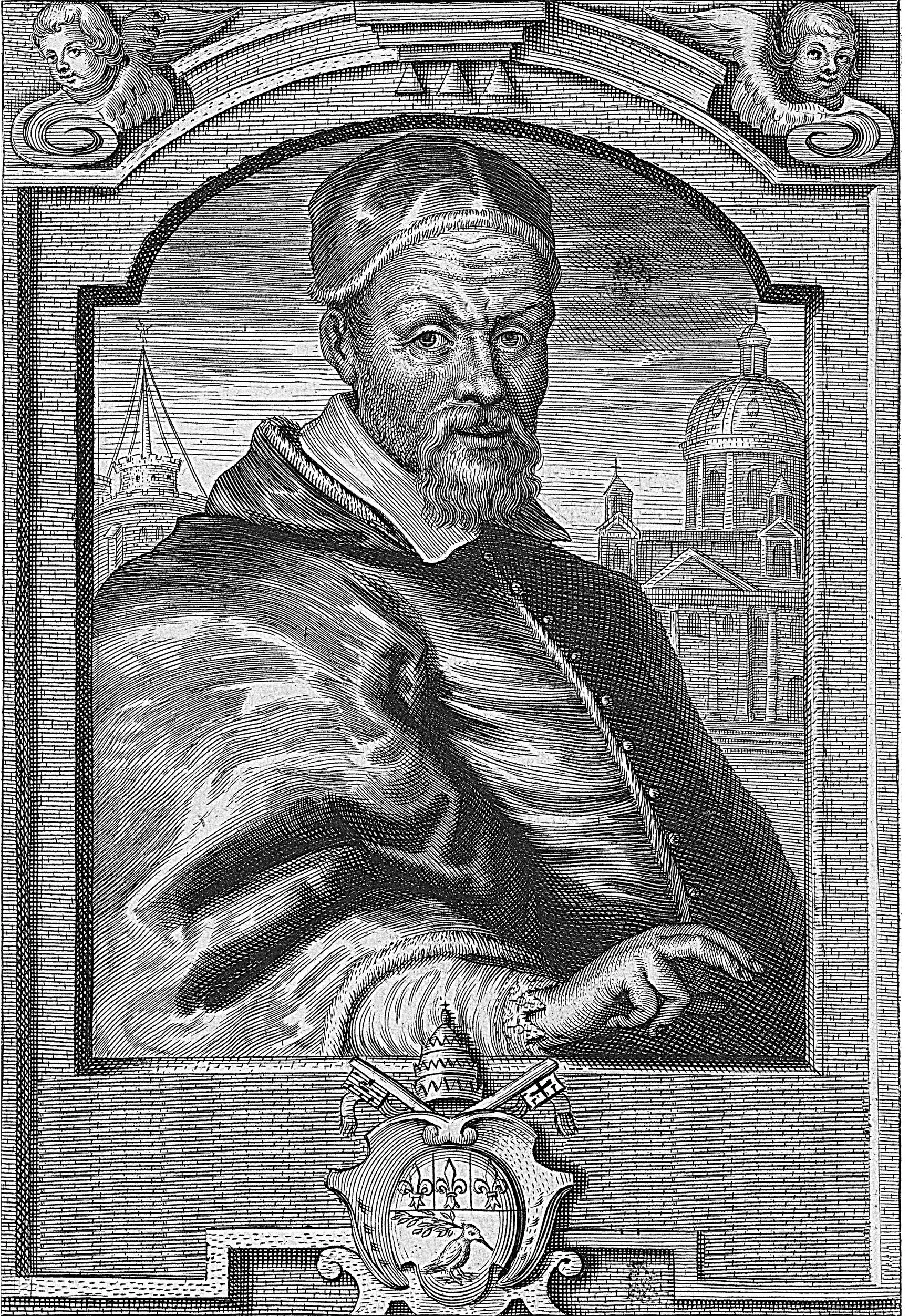
The Woman Who Made a Pope
Olimpia's brother-in-law, Giovanni Battista Pamphili, was a rising star in the Catholic Church. Ambitious, well-connected, and hungry for the papal throne. Olimpia recognized his potential and decided to help him reach it.
How? Money, manipulation, and blackmail. Her trademark combination.
She brokered alliances, paid bribes, and quietly leaned on those whose secrets she'd collected from her brothels. She knew which cardinals had gambling debts, which ones kept mistresses, which ones had skeletons they'd pay dearly to keep buried.
In 1644, her work paid off. Giovanni Battista became Pope Innocent X, and Olimpia became the most powerful woman in Christendom.
From that moment, nothing happened in the Vatican without her involvement. Olimpia moved into the papal palace on Piazza Navona, dispensing patronage and punishment in equal measure. She advised the Pope on policy, managed appointments, and handled vast sums of Church wealth. She was the power behind the throne, and some whispered she even shared Innocent's bed.
Her enemies called her La Pimpaccia (a derisive nickname meaning something like "the plump, vulgar woman"). Others called her La Papessa , the She-Pope.
Olimpia didn't mind. She was too busy running the papacy.
The Night Everything Changed
Papal power only lasts as long as the man who holds it. When Innocent X died of plague in 1655, Olimpia's world collapsed overnight.
The enemies she'd humiliated for years circled like vultures. The same men who'd trembled in her presence saw their chance for revenge. Olimpia knew that in Rome, vengeance was swift and rarely merciful.
Before the cardinals could act, she made her move.
She looted the papal palace. Jewelry, gold, silver. Anything of value disappeared into her coffers. She even took the rings from the Pope's corpse, slipping them off his cold fingers under the pretense of mourning. Then she climbed into a carriage laden with treasure and fled across Ponte Sisto, smashing through guards in a desperate dash for freedom.
It was a dramatic end to a dramatic career. Olimpia retreated to her estate in Viterbo, where she died two years later (of plague, fittingly), largely despised and unmourned.
But Roman legend insists her story didn't end there.
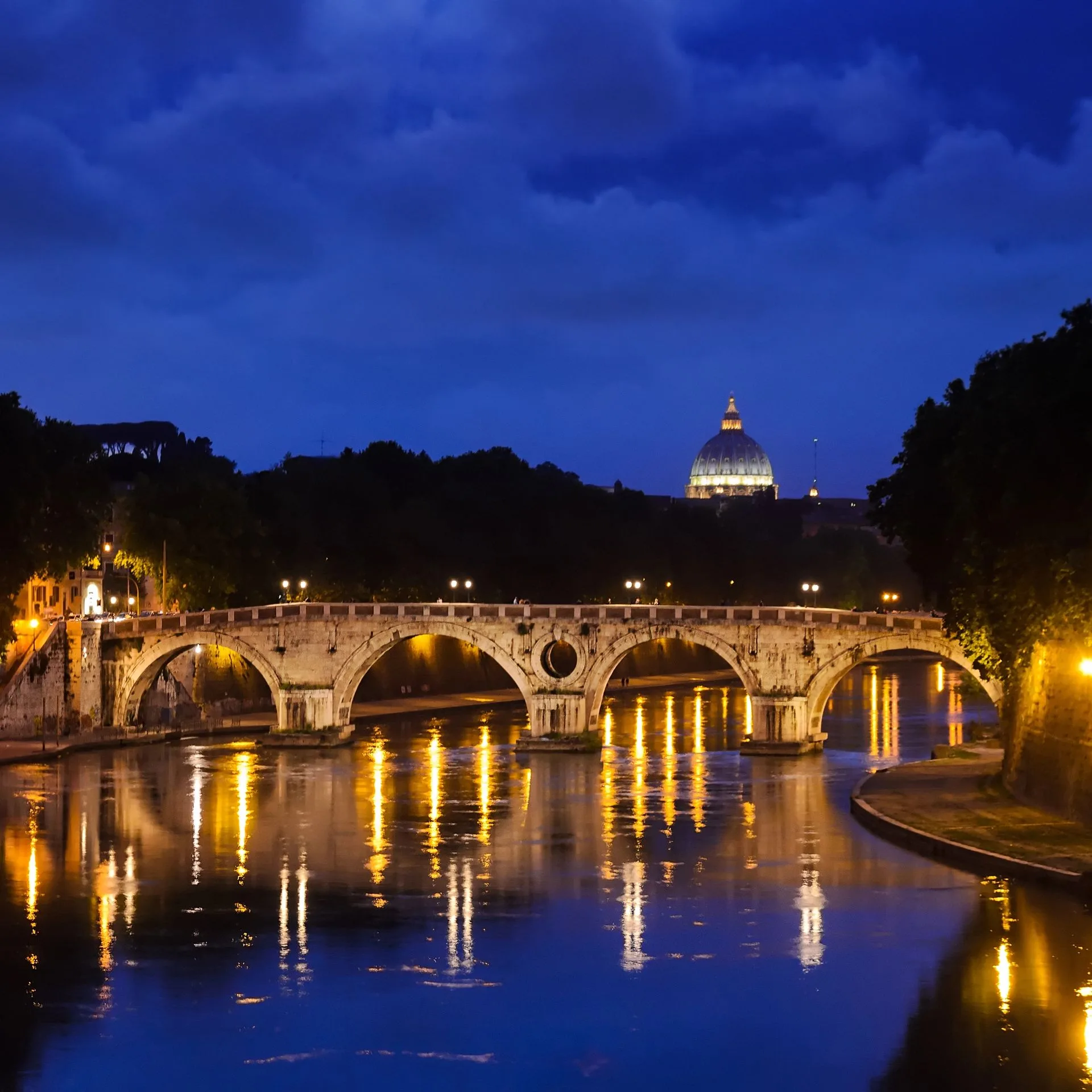
The Phantom Carriage of Ponte Sisto
Ponte Sisto is one of Rome's most picturesque bridges, spanning the Tiber with a postcard-perfect view of St. Peter's dome. By day, it's alive with locals, tourists, and street musicians strumming under the Roman sun.
But in the darkest hours before dawn, it belongs to something else.
According to centuries of local lore, a ghostly black carriage appears on stormy nights, thundering across Ponte Sisto at terrifying speed. The sound comes first. The crack of iron wheels on ancient stone, the snap of a whip cutting through the air, the pounding of hooves echoing off the water below.
Then you see it.
A carriage, black as pitch, racing toward the far end of the bridge. Inside sits a cloaked woman clutching a chest of gold to her breast. As she races forward, demons leap aboard. Clawing, shrieking, trying to drag her down to Hell.
They say the temperature drops ten degrees when she passes. That the air smells of river water and something else. Something acrid and wrong, like burnt hair or sulfur. That the horses have no heads, just gaping necks trailing smoke. And that if you're foolish enough to look directly at the carriage, you'll see her face pressed against the window. Pale, furious, and fixed on you.
Then comes the scream. A chilling, soul-freezing scream that echoes through the night before fading into silence.
Every Roman knows who it is. Donna Olimpia Maidalchini, fleeing once again from the city she ruled and from the sins that, according to legend, won't let her rest.
Old superstitions linger. Locals say if you hear hooves on Ponte Sisto before sunrise, you walk the other way. You don't look. You don't linger. Because Olimpia Maidalchini isn't known for forgiveness, and she's had centuries to perfect her grudges.
Want to test your courage? Stand on Ponte Sisto yourself on our Rome Ghost Tour and listen for the faint rattle of wheels in the pre-dawn mist. Just don't say we didn't warn you.
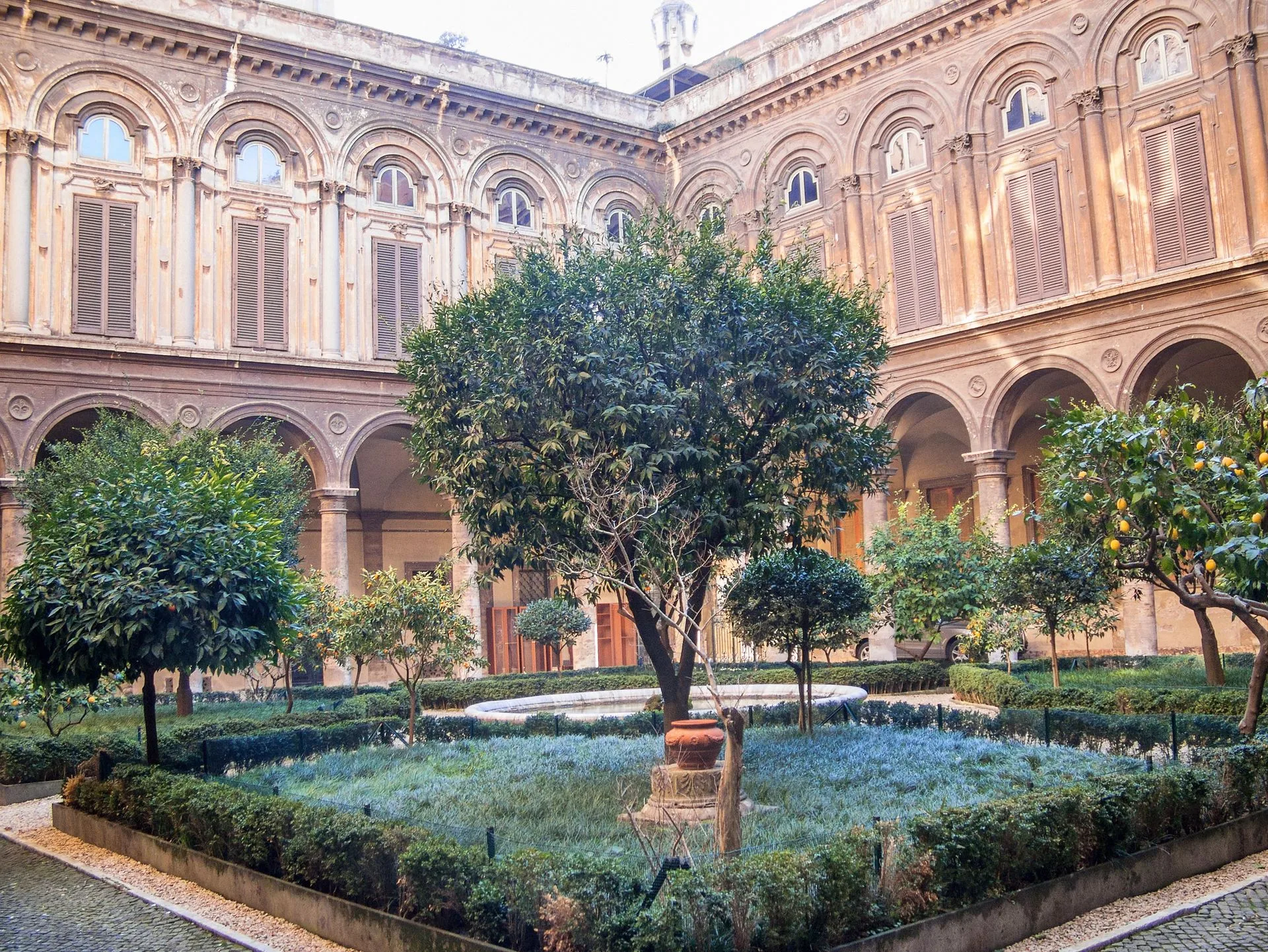
A Modern Encounter: When Olimpia Made Her Presence Known
Ghost stories have a way of fading into folklore over the centuries, softened by time and retelling until they feel more like fairy tales than fact. But Olimpia Maidalchini seems unwilling to fade.
Her spirit still lingers in the Palazzo Doria Pamphili, the grand palace on Piazza Navona where she once held court. And we know someone who can confirm it.
Ivana, one of our guides at Dark Side City Tours , lived in a section of that very palazzo. Her family occupied the apartment for years, surrounded by centuries of history pressed into the walls. They'd grown used to the weight of the past. The creaking floors, the drafts, the sense that the building remembered things.
But they weren't prepared for what happened when Ivana's mother decided to redecorate.
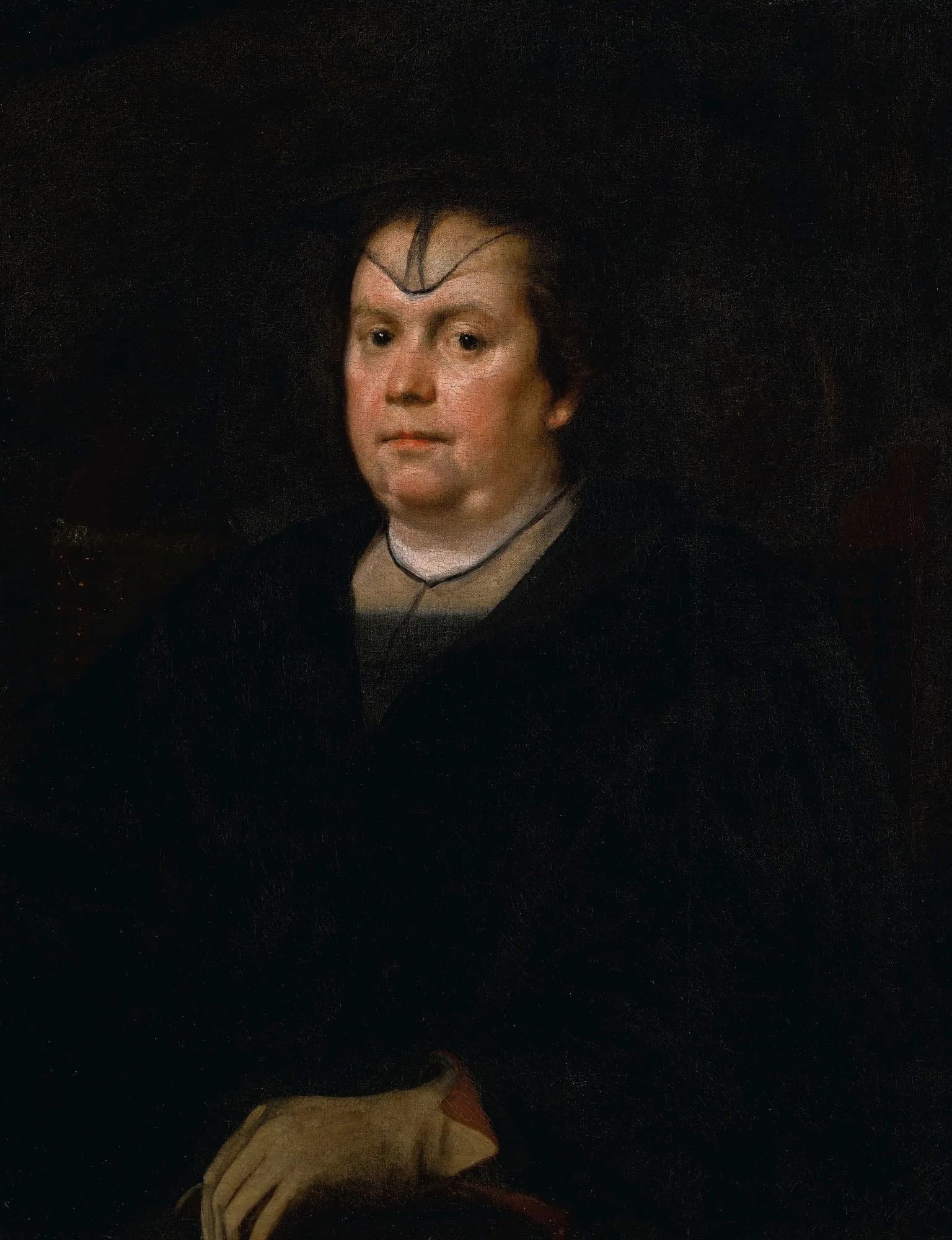
It started with a painting. An old portrait of Donna Olimpia had hung in the same spot for as long as anyone could remember. Stern-faced, imperious, watching. Ivana's mother thought it was time for a change. She took it down and moved it to another room.
That night, the knocking started.
It wasn't loud. It wasn't violent. But it was persistent. A steady, deliberate knock knock knock on the bedroom doors, as if someone were standing just outside, waiting to be let in.
They checked. No one was there.
The knocking continued night after night. Always the same rhythm. Always at the same doors. The family tried to rationalize it. Old pipes, settling foundations, the wind. But none of those explanations felt right. The sound was too deliberate. Too purposeful.
Finally, unnerved and out of options, they made a decision. They put the painting back.
The knocking stopped immediately.
Coincidence? Perhaps. But in a city where the dead are never quite gone, where history refuses to stay buried, many Romans would say Olimpia simply didn't approve of the change. Even in death, it seems, she insists on being seen. On being respected. On getting her way.
The painting still hangs in its original place. And no one has any plans to move it again.
A Legacy Written in Shadows
For centuries, Olimpia has been vilified as the ultimate villain. Greedy, corrupt, ruthless. Her enemies compared her to poison. The Church tried to erase her from memory.
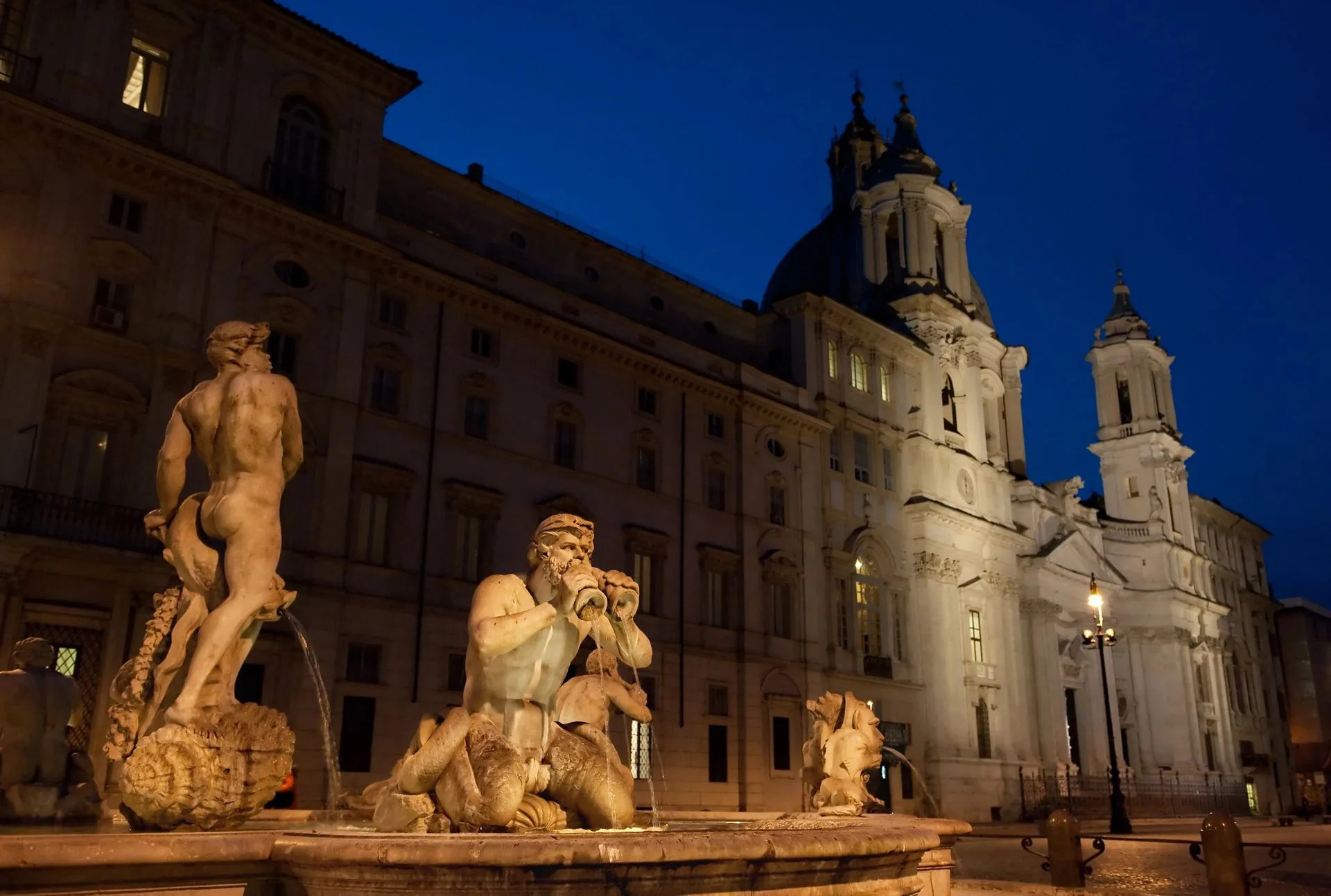
But Rome remembers. The city holds onto its ghosts, especially the ones who refused to be quiet in life. Walk through Piazza Navona today and you can still feel her presence in the stones, in the palazzo windows, in the way the shadows fall across the fountain at dusk.
Was she a monster? A survivor? A woman who simply played the only game available to her and played it better than any man?
Perhaps she was all of those things. Perhaps that's why she can't rest.
Following in Her Footsteps: How to Visit Olimpia's World
If this story has sparked your curiosity (or your sense of adventure), you can still walk in Olimpia's footsteps across Rome today.
Here's where to look:
Ponte Sisto : Best visited in the quiet hour before dawn, when legend says Olimpia's ghostly carriage thunders across. Even if you don't see a phantom, the atmosphere alone is worth the visit.
Palazzo Doria Pamphili, Piazza Navona : Now home to the Brazilian embassy, this was Olimpia's seat of power. Outside, you can still feel the weight of history pressing against the walls. And, if you're lucky (or unlucky), maybe something more.
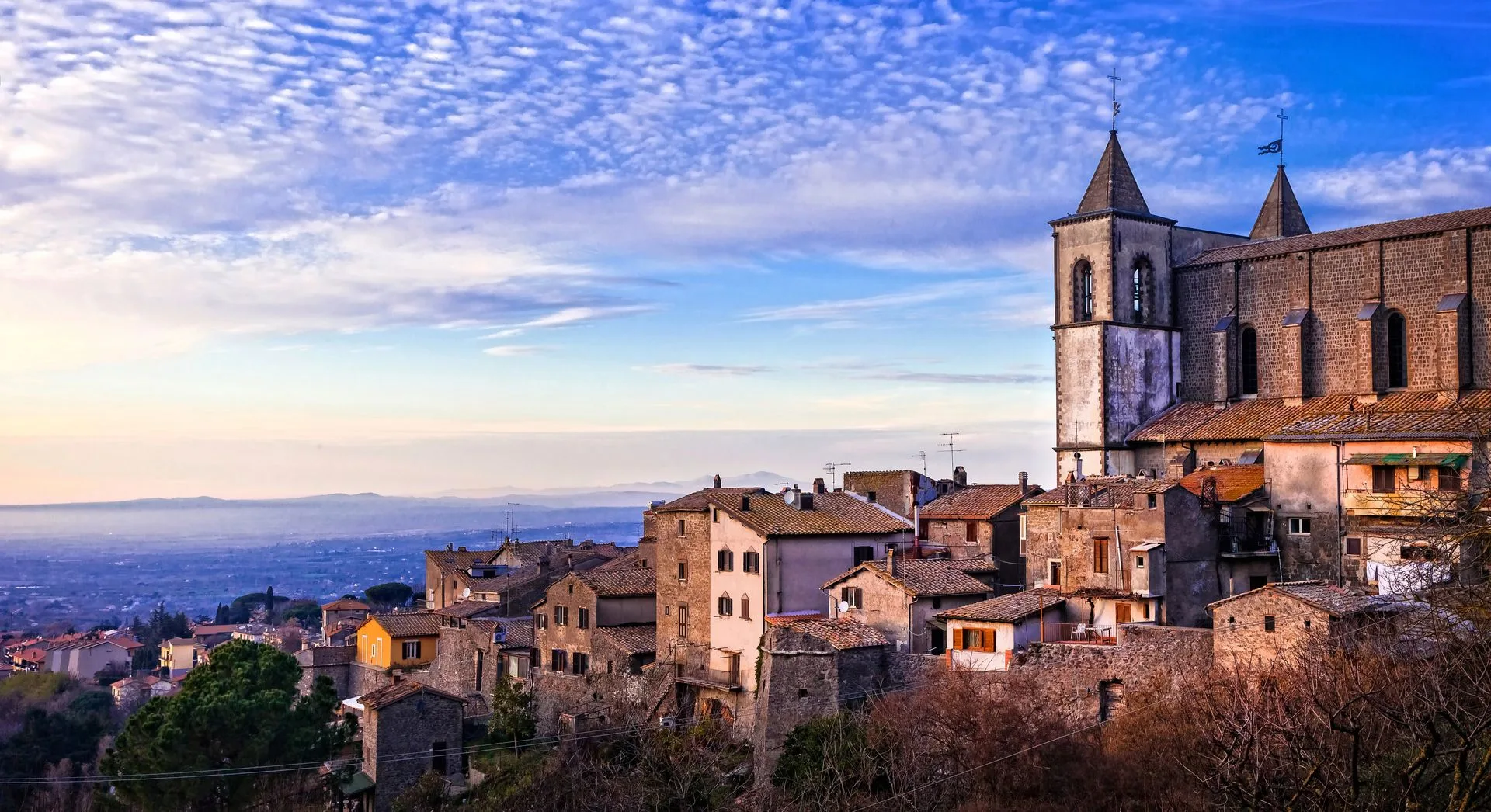
San Martino al Cimino : The town near Viterbo where Olimpia died, and where some say her spirit began its eternal flight from judgment.
Via delle Zoccolette : Once part of her brothel empire, now an ordinary Roman street with an extraordinary past.
To dive deeper into stories like Olimpia's (where real history and restless spirits intertwine), join us on
Rome's Dark Side: Ghosts & Legends Tour
. We walk the same streets she did, stand on the same bridge where her phantom is said to pass, and uncover the chilling stories Rome hoped you'd forget.
A Spirit That Will Not Be Silenced
Donna Olimpia Maidalchini has been dead for over three and a half centuries, but in Rome, death is never the end. The past lingers here in the cobblestones and the river mist, in the faint echo of hooves on Ponte Sisto, and (if Ivana's story is anything to go by) in firm opinions about interior decorating.
She was called a sinner, a schemer, a thief, and a She-Pope. Perhaps she was all of those things. But she was also a woman who refused to accept the role the world tried to assign her, and in doing so, she left a mark that time, and even death, cannot erase.
So if you ever find yourself on a storm-dark Roman night near Ponte Sisto, and you hear the distant thunder of iron wheels on stone, the crack of a whip, the scream of a woman who will not be silenced, take our advice.
Don't look back.
Because Donna Olimpia Maidalchini is still here. Still fleeing. Still furious.
And she's not finished yet.
Stock photos provided by depositphotos.com