I spend a lot of time in bars. That’s not a confession, it’s a job requirement. When you run haunted history tours across the country, you end up in a lot of old buildings, and a surprising number of old buildings have been converted into places that serve alcohol, because apparently the best thing to do with a building where people died is to put a bar in it. And honestly, I’m not complaining.
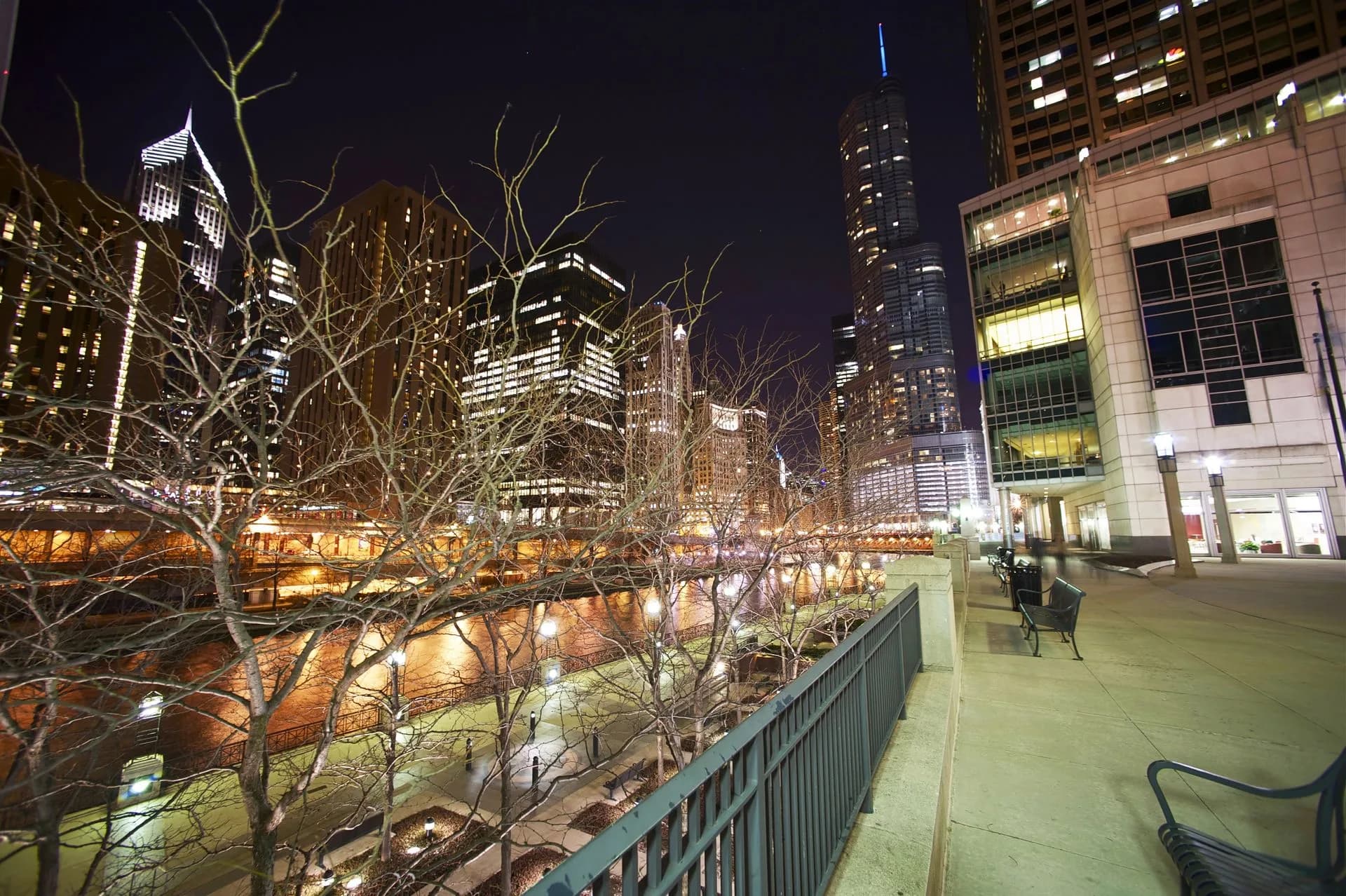
Chicago is one of those cities where the Irish influence runs so deep you can feel it in the architecture, the politics, the neighborhoods, and especially the pubs. The Irish built the city in a very literal sense, laying the roads and digging the canals that turned a swampy trading post into one of the biggest cities in the world, and a lot of them didn’t survive the effort. So when people tell me that some of Chicago’s most beloved Irish pubs are haunted, I don’t find that surprising at all. What would be surprising is if they weren’t.
Our haunted pub crawl hits some of these spots, and over the years we've collected enough stories about three pubs in particular that I think they deserve their own write-up. So grab a pint and settle in
(or even better, join us on a St. Patrick's Irish Pub Crawl Ghost Tour that we run annually!)
Streeter’s Tavern
The first thing you notice about Streeter’s is that you have to go down to get in. The bar at 50 E. Chicago Avenue sits below modern street level, which makes it feel like you’re descending into the city’s past, and in a way you are. This space was once at grade with Chicago’s original streets before the city famously jacked itself up out of the mud after the Great Fire of 1871. So what feels like a basement dive bar was actually ground floor at one point, and whatever happened here before the city decided to raise itself a few feet is literally still underneath you.
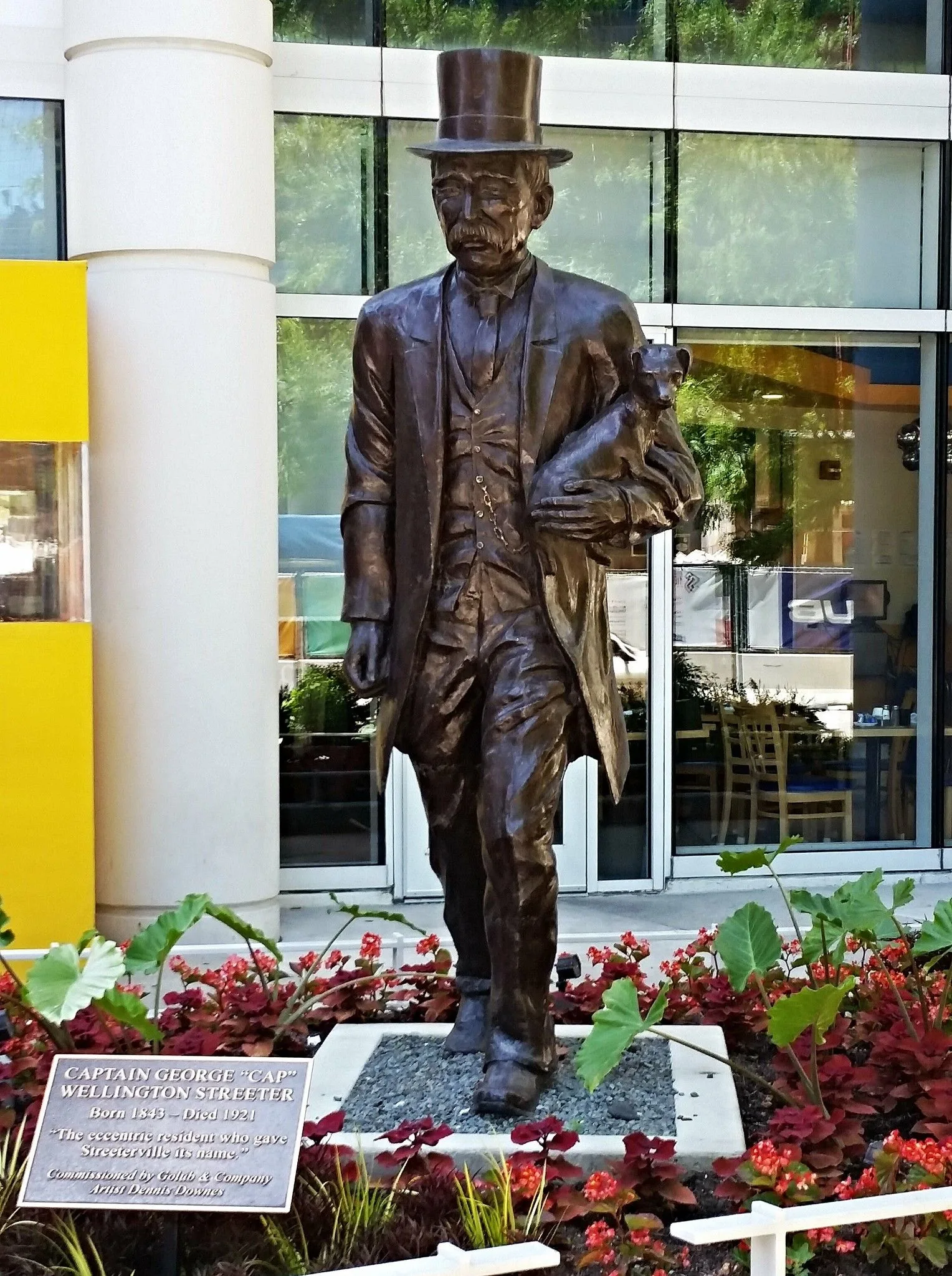
The bar takes its name from one of Chicago’s most unhinged historical figures, a guy named “Cap” George Streeter. He was a former sea captain who ran his steamboat aground on a sandbar near the lakeshore in 1886, and instead of doing the normal thing and trying to get unstuck, he just decided to stay. As the city dumped landfill around his boat, the sandbar grew into a sizable chunk of land, and Streeter declared the whole thing (about 186 acres) to be an independent territory outside the jurisdiction of Illinois. He called it the “District of Lake Michigan” and fought the city, the courts, and the wealthy Gold Coast landowners for decades. He lost every legal battle, but he never stopped fighting, and when he finally died in 1921, he reportedly cursed the land with his dying breath, swearing that no one would ever be happy in Streeterville again.
Whether the Woman in White that staff and regulars have reported seeing in the bar over the years has anything to do with Cap Streeter’s curse or something else entirely, nobody knows. She’s been described as a pale figure who tends to appear around the holidays and seems to be most active around St. Patrick’s Day, which feels on-brand for a haunted Irish bar if nothing else. She doesn’t seem to bother anyone, she just shows up and then she’s gone, like a regular who never stays for a second round.
The Kerryman
The Kerryman at 661 N. Clark Street is a good-looking River North pub with dark wood, solid whiskey, and a history that would make a true crime podcast blush.
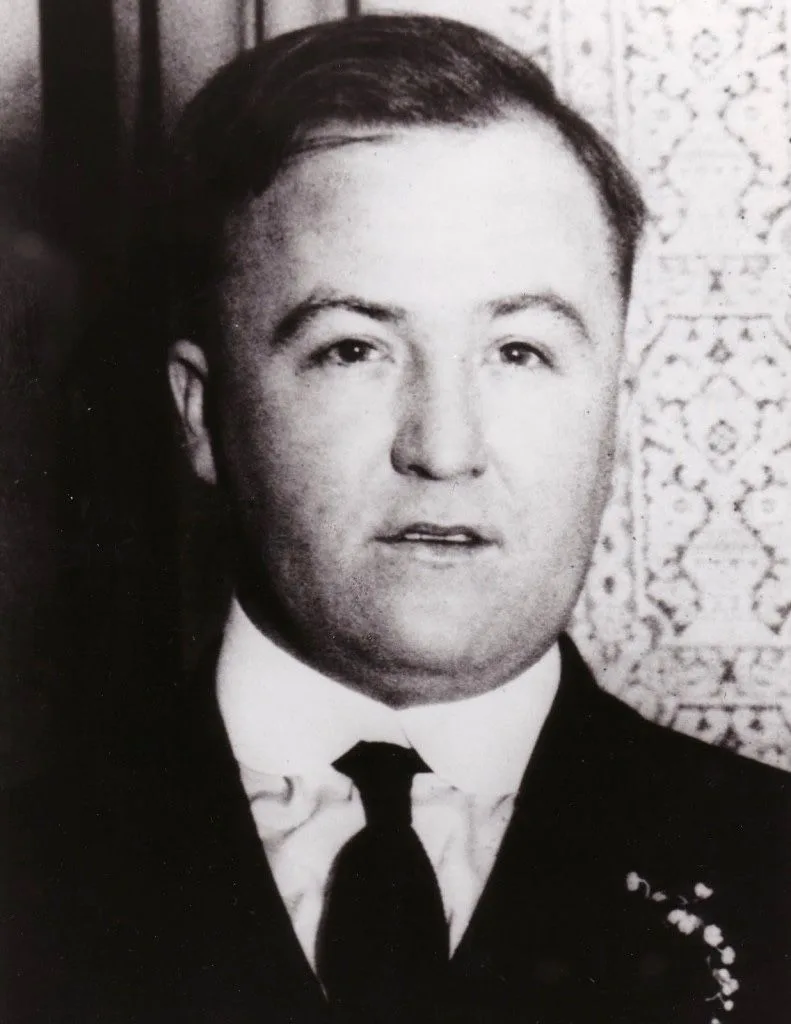
Long before it was The Kerryman, this address was McGovern’s Liberty Inn, which was a roughneck saloon on one of the most vice-ridden stretches of road in all of Chicago. And this is where, in the early 1900s, a kid named Dion O’Banion got his first job. O’Banion came from a North Side Irish family and he had this incredible singing voice, a boy soprano that was pure enough to get him hired as a singing waiter at McGovern’s. He’d stand up there and belt out sentimental Irish ballads while the customers got misty-eyed over their drinks, and then while everyone was distracted by the music, his buddies would go around the room lifting wallets. It was a pretty efficient system, honestly.
That early hustle was just the beginning. O’Banion grew up to become the most powerful Irish mob boss on Chicago’s North Side, running a flower shop as his legitimate front while bootlegging and hijacking on the side. He was one of the very few people that Al Capone was genuinely afraid of, which is saying something. His story ended the way a lot of stories ended in Prohibition-era Chicago: in November of 1924, three men walked into his flower shop at 738 N. State Street (directly across from Holy Name Cathedral, which is just a few blocks from The Kerryman), shook his hand, and shot him dead while he was holding an armful of chrysanthemums.
Fadó Irish Pub
Of the three pubs, Fadó has what I’d call the most fully developed ghost story, meaning there’s a specific figure with a specific backstory and specific activity that staff have reported for years. That’s the kind of thing that makes my ears perk up, because when multiple people who don’t know each other are describing the same experience in the same location, that’s when it starts to get interesting.
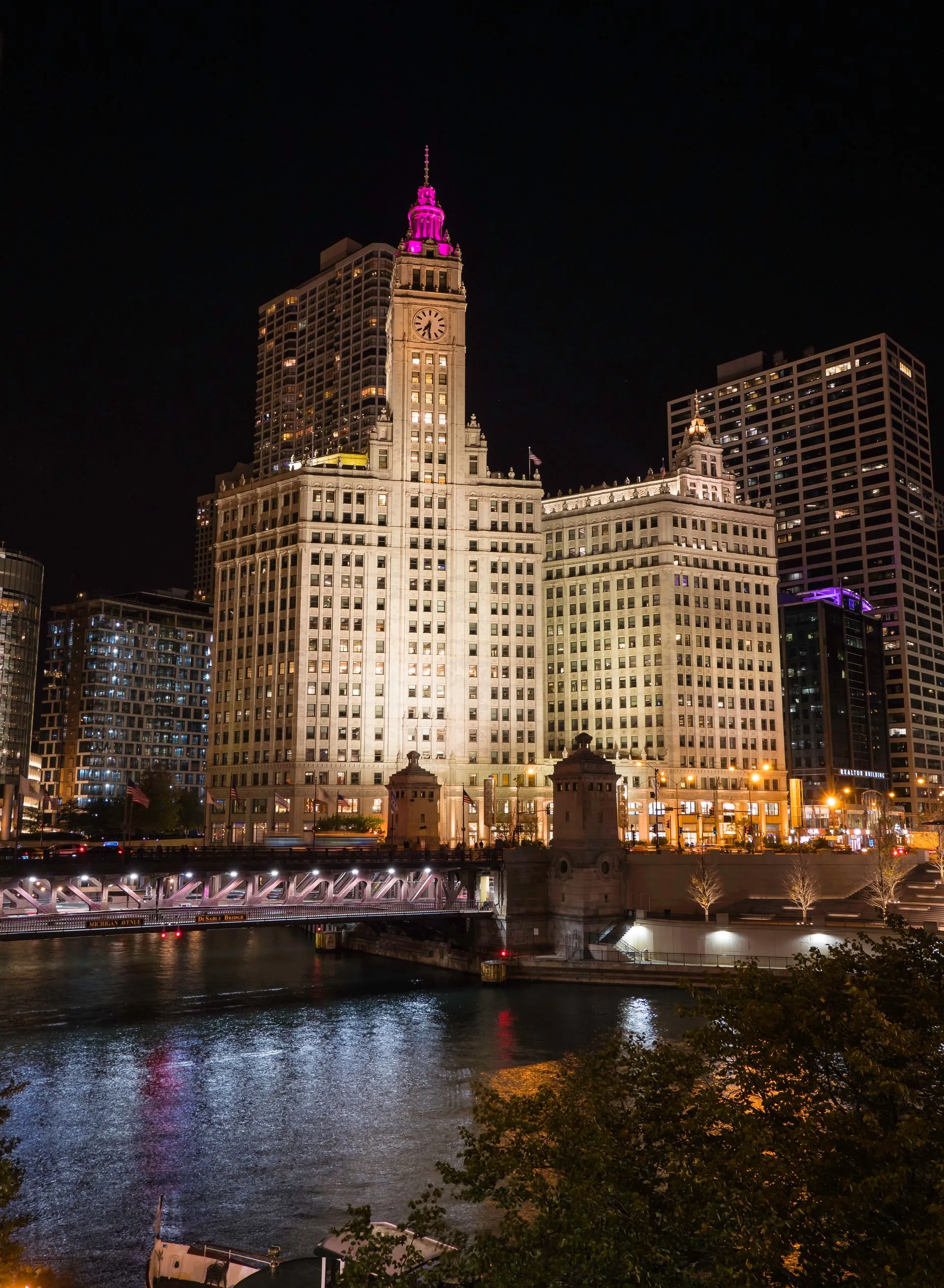
The building at 100 W. Grand Avenue dates back to 1876, and before it became one of Chicago’s best-known Irish pubs it served as a hotel, then a series of saloons, then cabarets, and then some other types of establishments that I’ll just say don’t translate well to a family-friendly blog post. The point is that this building has seen a lot of human drama over the last century and a half, which is usually a prerequisite for a good haunting.
The ghost that people associate with Fadó is a young woman in a white nightgown, and she’s believed to date from the late 1800s or early 1900s. Staff have reported cold spots near the back of the bar, lights and electronics going haywire for no apparent reason, doors slamming shut in empty rooms, and (this is the one that gets people) the feeling of a hand pressing firmly on your shoulder when there’s nobody standing behind you. I’ve talked to enough bartenders and servers at supposedly haunted establishments to know that the shoulder thing comes up a lot more often than you’d expect, and it’s always the detail that seems to genuinely rattle people.
The story that’s been attached to this particular ghost is that a jealous railroad brakeman murdered the woman he was involved with and then killed himself in a third-floor apartment above the bar. Whether she’s still trying to get out of that room or whether she’s just drawn to the noise and energy of a packed Irish pub on a Friday night, she apparently gets most active around St. Patrick’s Day, which is when the building is at its loudest and most crowded. There’s a theory in paranormal circles that spirits are attracted to (or activated by) high-energy environments, and if that’s true, an Irish pub on St. Paddy’s Day is about as high-energy as it gets.
Fadó itself ships its fixtures and decor directly from Ireland and goes out of its way to recreate the feel of an authentic country pub, so if you’re a ghost from old Chicago (or the old country) looking for a place to spend eternity, you could certainly do worse.
See it in person
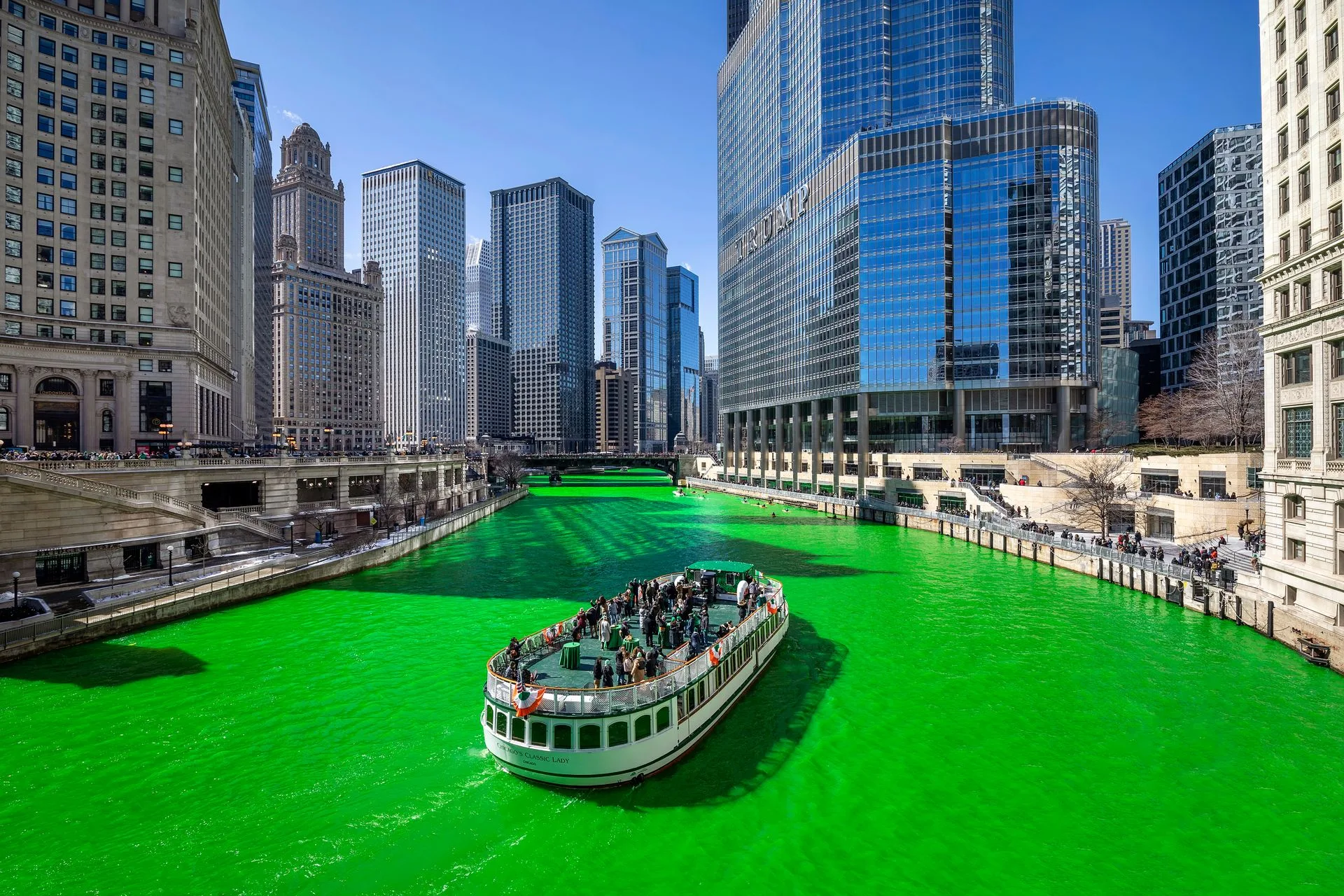
These three pubs are all within walking distance of each other in the River North and Streeterville neighborhoods, and when you connect the dots between them you start to see a layered ghost story that covers everything from 19th-century curses to Prohibition-era mob hits to a murder-suicide that left a permanent mark on a building. That’s Chicago for you. Every block has a story, and if you’re paying attention, some of those stories haven’t ended yet
If you want to experience these places for yourself (and hear the stories in person, with a drink in your hand), we we do an Irish Pub St. Patrick's Day Ghost Tour Pub Crawl that is a great time, and I promise the ghosts don’t drink your beer. I however, am a different story!
Stock photos provided by depositphotos.com