If you’re searching for haunted St. Thomas or the most haunted places in the Virgin Islands , start in the heart of Charlotte Amalie’s historic district... where old stone, steep streets, and centuries of seafaring history make the past feel close.
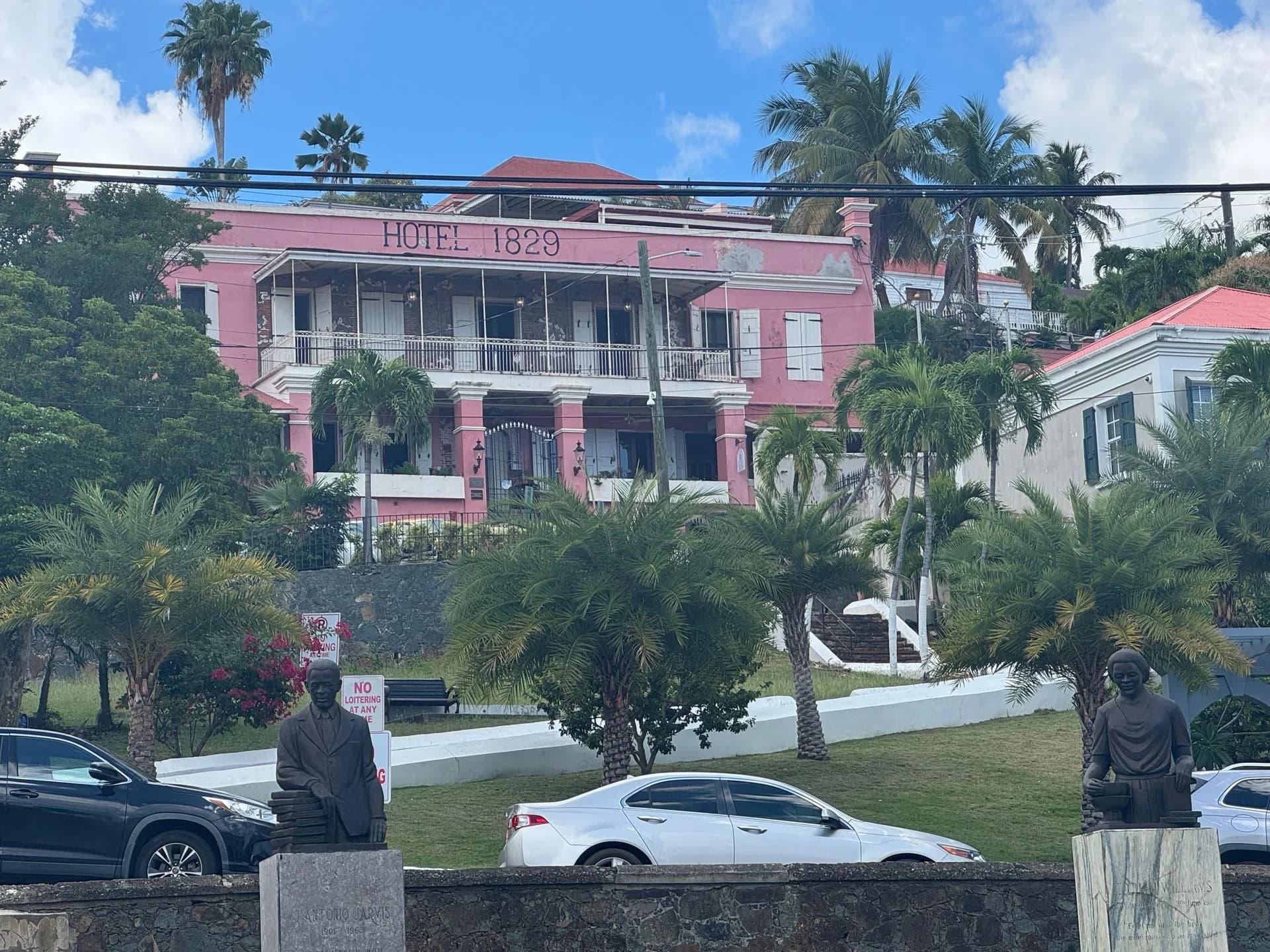
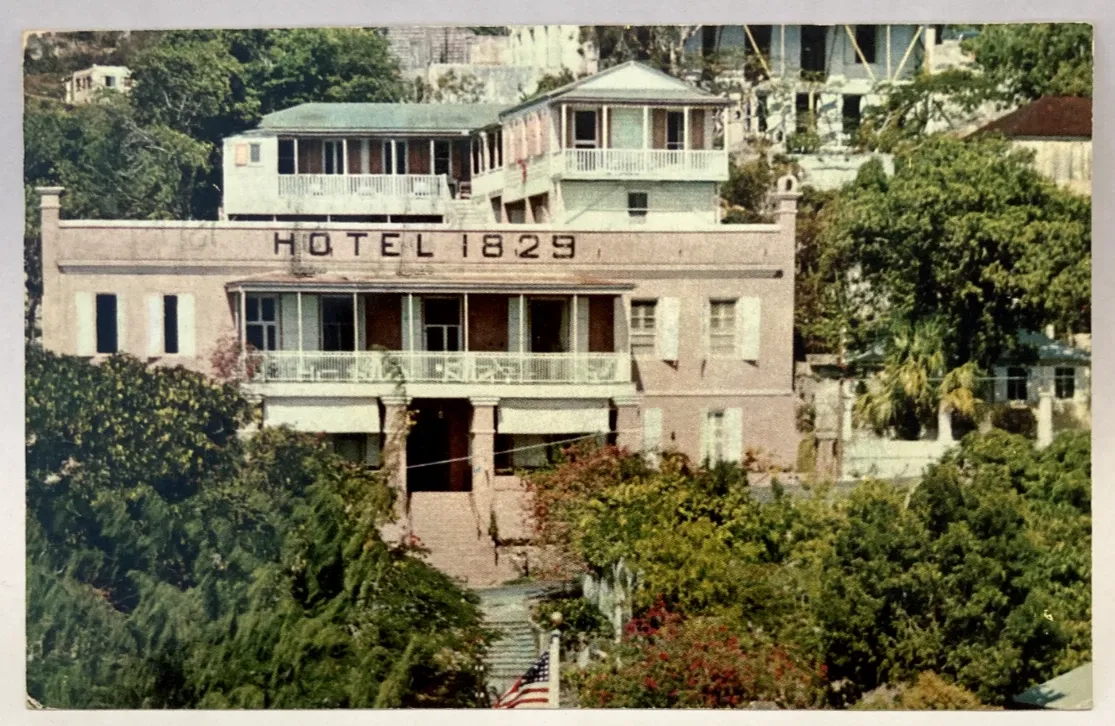
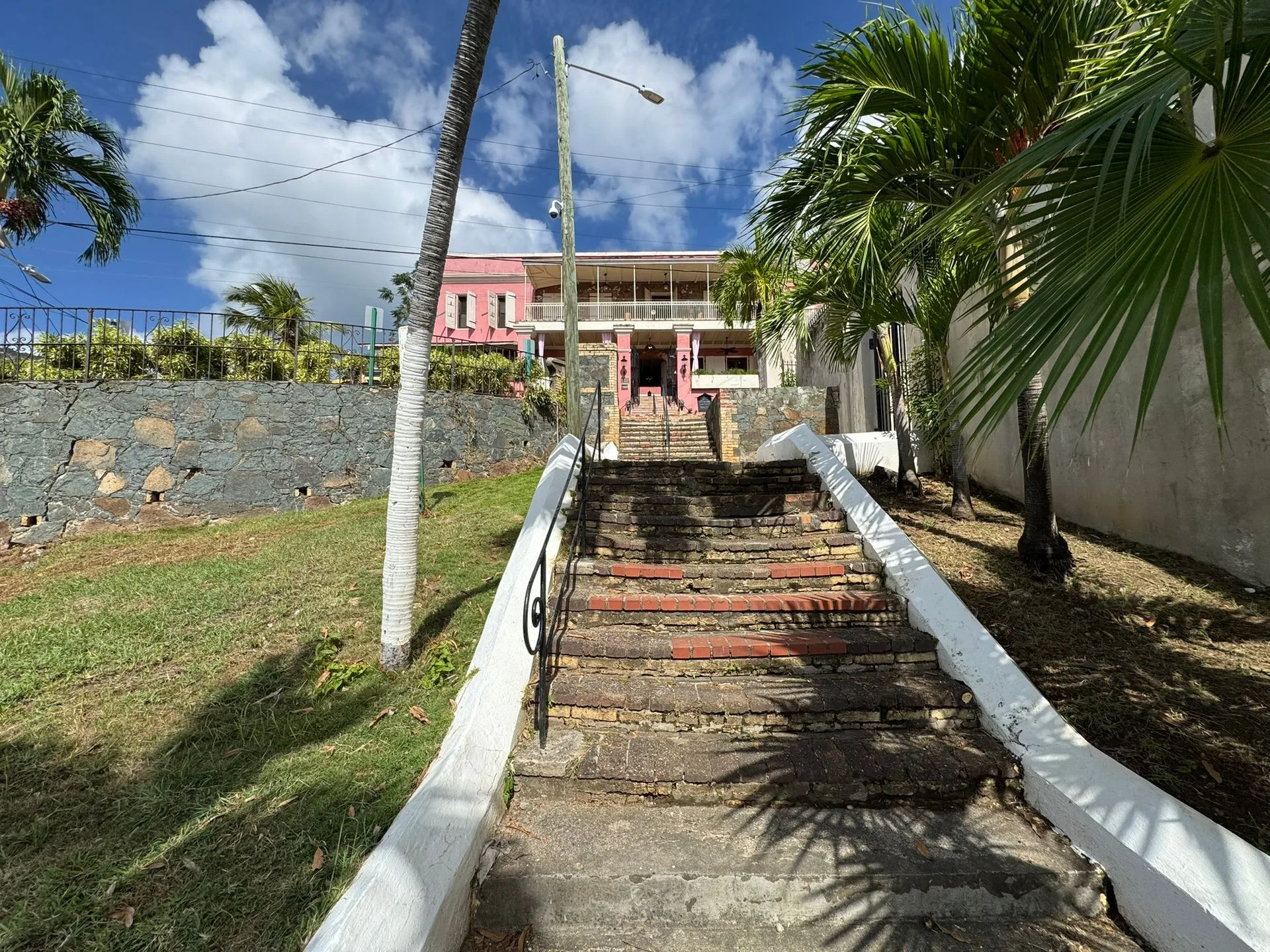
One of the most talked-about landmarks in this part of town is Hotel 1829 , perched in the Kongens Quarter (King’s Quarter) above downtown Charlotte Amalie.
Hotel 1829: a historic building at the center of haunted Charlotte Amalie stories
Hotel 1829 began as a private residence, constructed in 1829 by Alexander Lavalette , described in local history as a prosperous French sea trader . His initials— “A.L.” —are still visible in the wrought iron of the upper balcony, a signature stamped into the building itself.
But in a port town shaped by trade, privateers, and the ever-present temptation of easy money, “sea trader” has always been a flexible job title. That’s where the local legend creeps in. One travel account claims Lavalette was, in fact, a pirate and that he had to build the hotel in order to win the favor of the father of the Parisian beauty that he fell desperately in love with. Was he a pirate? Well, Charlotte Amalie had its share of pirates , but it was also a Danish free port that was a center of Caribbean trade, especially for coaling the steam ships in the early 19th Century, so he might have been a legit sea trader.
From private residence to hotel (1906) — and a long-running reputation
Historic Hotels of America notes that after serving as an upscale private residence for decades, the building entered a new chapter in 1906 , when the Taylor Family acquired the property and converted it into a small inn. O, that inn became known as Hotel 1829 , building a reputation for upscale hospitality in the heart of Charlotte Amalie, strong enough to attract prominent travelers for generations before the property’s later decline and closure in the 2000s.
In the 1960s, the hotel was renovated and renamed Hotel 1829 by the Ball family (more on them in a little bit...)
Today, it is not just the age of the walls that gets people talking. It is what’s inside.
The Tiffany Stained Glass
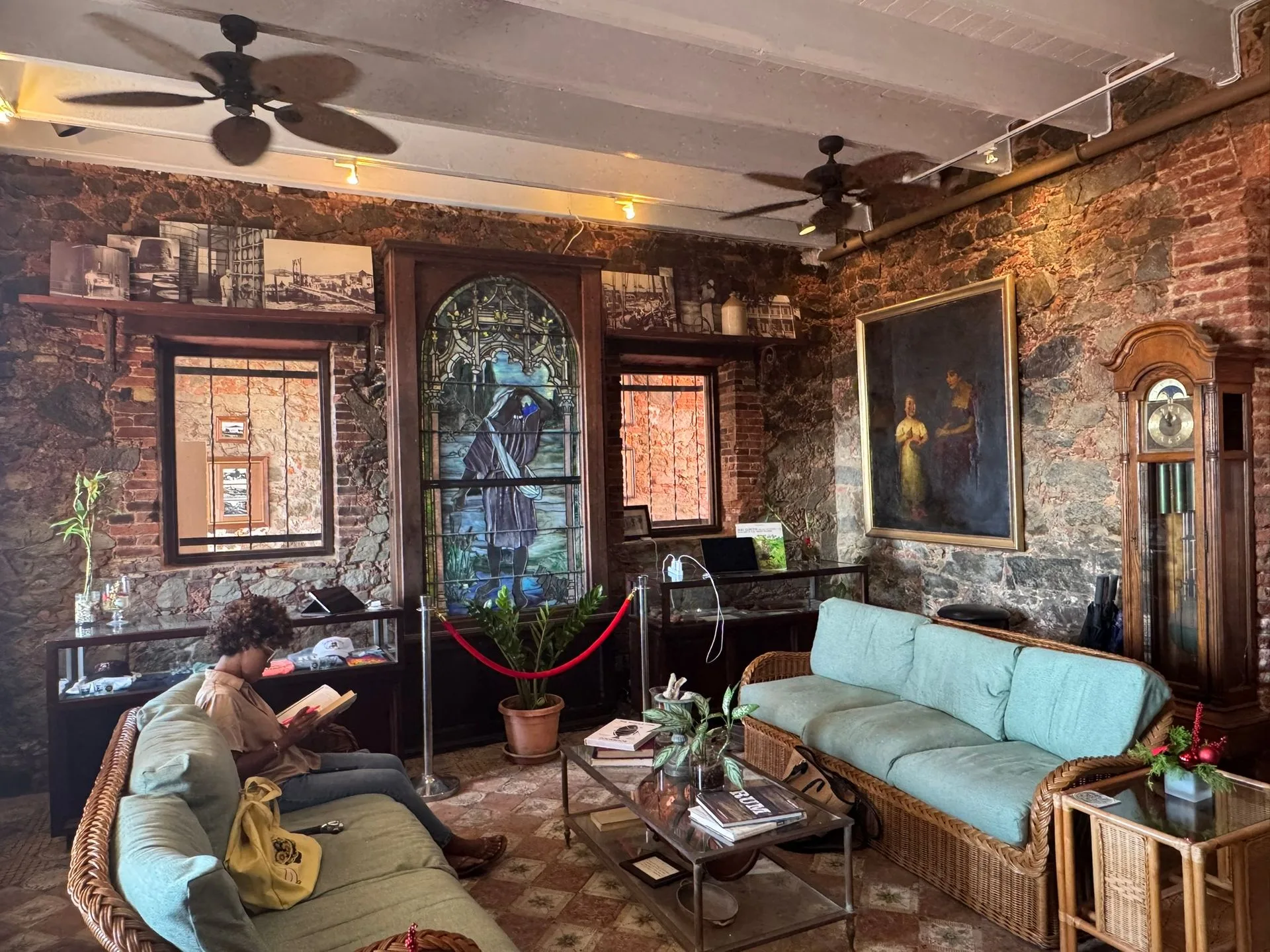
Inside Hotel 1829’s lobby is a standout artifact: an authentic Tiffany stained-glass window created in 1903 , which the hotel says was originally crafted as a memorial for an Ohio doctor named Adams Elliot (who died in 1902) and was likely intended for a church setting. The piece uses Tiffany’s signature layered opalescent glass to create depth and shifting color without paint, so it “changes” as the daylight moves. What makes it especially eerie (and perfect for a haunted-history lens) is the mystery of how it traveled from the mainland to St. Thomas: Hotel 1829 notes it was authenticated by the Tiffany museum, whose records indicate they lost track of the window around the 1950s , and the exact path to the Virgin Islands remains unknown.
The name of the piece, "In Search of The Promised Land" evokes the Biblical story of Moses leading the Israelites through the desert to find the Land of Milk and Honey that God promised them after freeing them from slavery in Egypt.
The Blonde in the Hallway
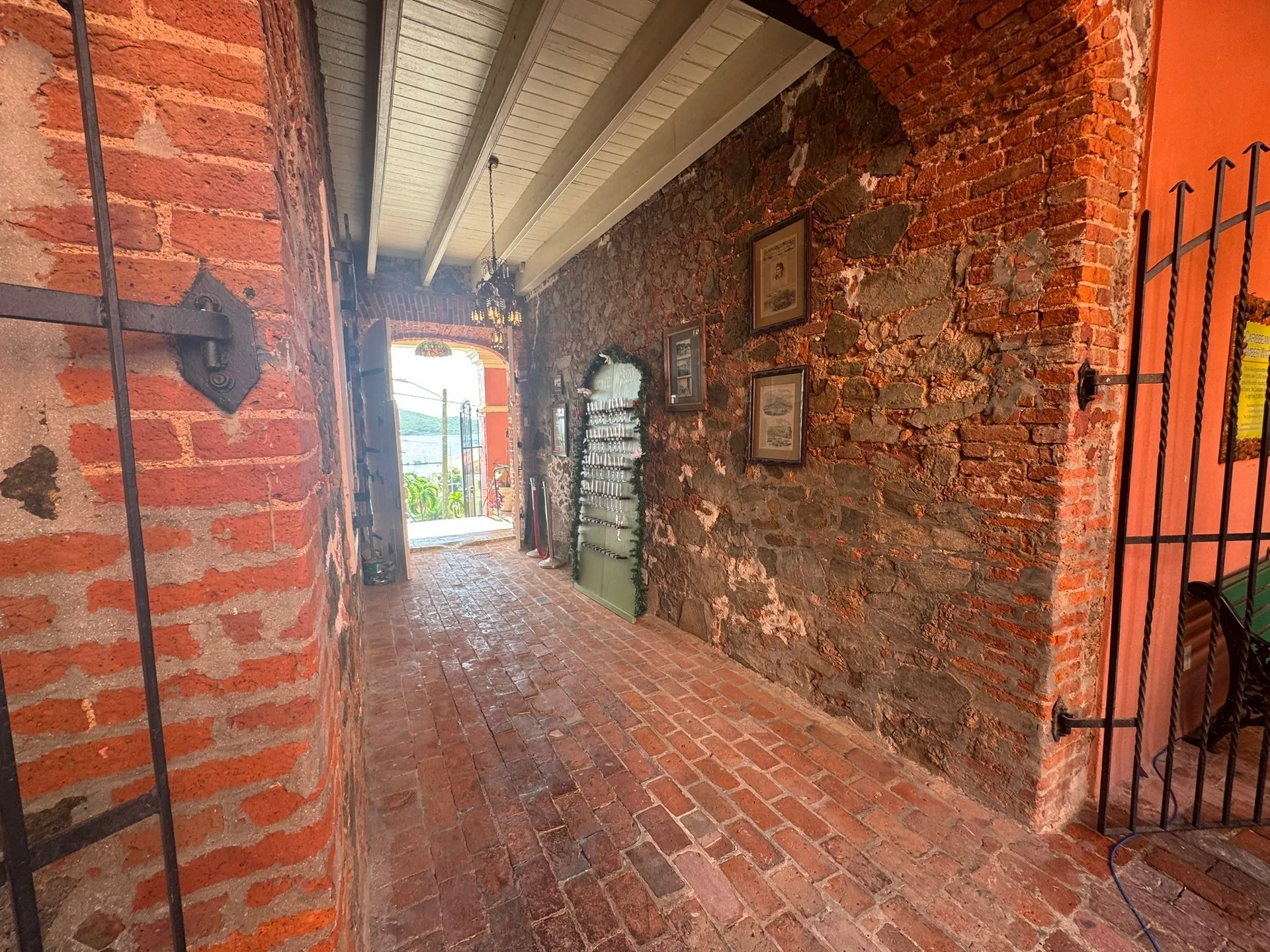
And that's the location of our first ghost story there, because it's right past that window in the hallway where they see a mystery blonde walking behind the stained glass window and when they follow her to see if she's a guest, there's no one there. Several of the front desk staff told me about the blonde in person and they think they've all seen the same entity and have no idea who it could be.
Maybe it's the rumored Parisian woman who Alexandre Lavalette had his heart set on and built the house for in the first place? Somehow recorded in the walls...
Who's Messing With The Bar Shelves?
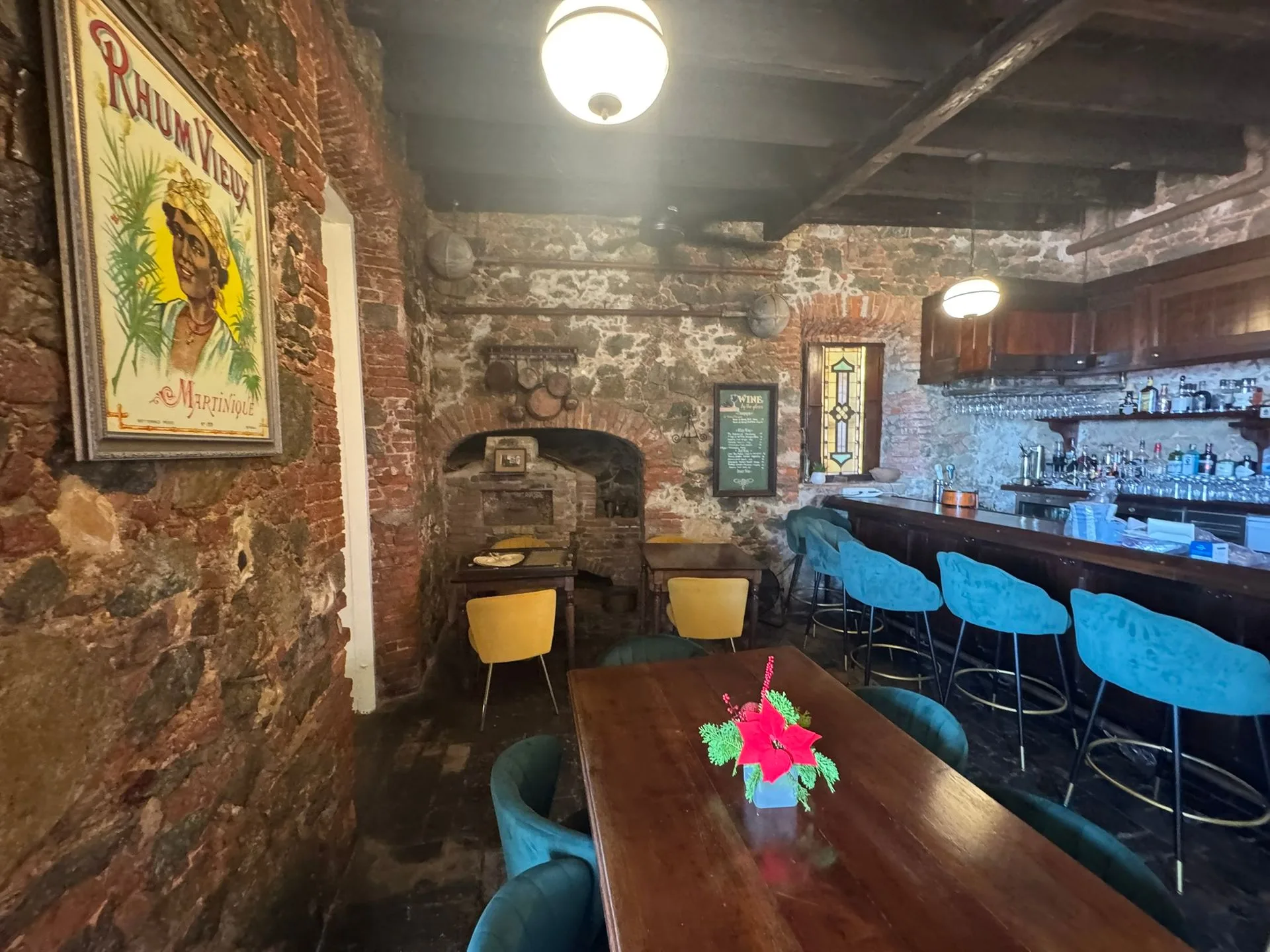
One story that comes up again and again at Hotel 1829 doesn’t involve a single dramatic encounter, but still something unsettling in its consistency. Since being renovated and reopened,
different bartenders, many of whom never compared notes with one another, have all pointed to the same shelf behind the bar
as a focal point for unexplained activity.
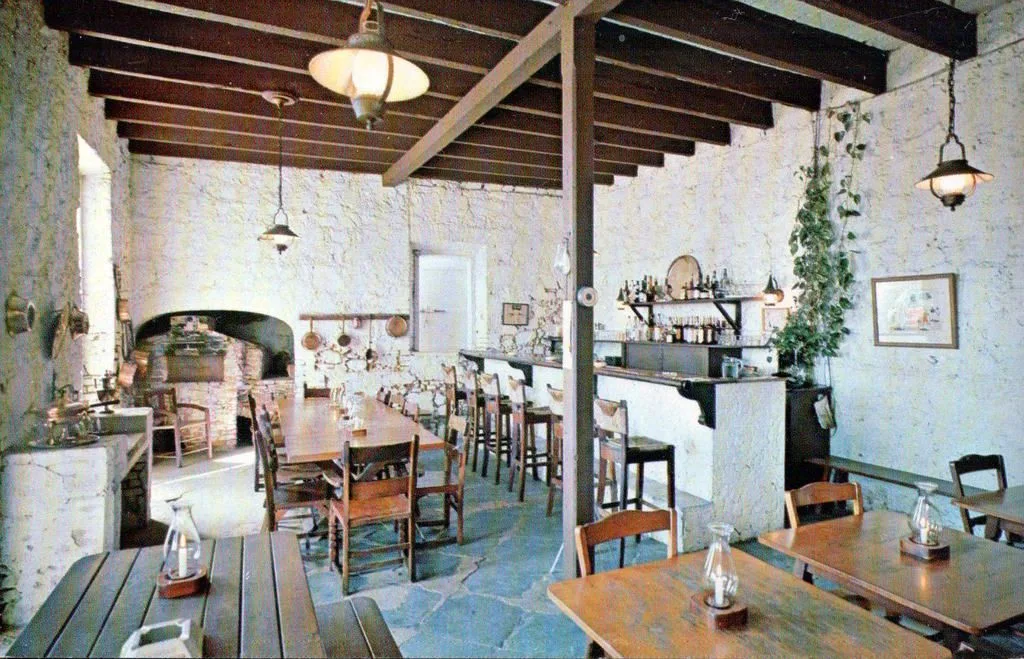
Bottles have shifted when no one was nearby. Glassware has tipped or rattled without vibration. Staff describe the odd sensation of being watched while reaching for that spot, followed by a sudden chill or the feeling that someone is standing just out of sight. What makes the story linger isn’t one spectacular incident, but the repetition. In a building as old as Hotel 1829, even the smallest patterns can feel like something trying very hard not to be ignored.
Maybe the ghosts don't like the renovations? I think the dark brick gives it a more historic feel and they've definitely got a better booze selection now than in the past!
Famous guests who stayed at Hotel 1829 (St. Thomas)
Famous people have been drawn to Hotel 1829 for decades, and the guest list reads like a cross‑section of modern fame... music, fashion, royalty, and sports. According to the hotel’s own write‑up,
Paul McCartney
and
Robert Plant
have stayed there, along with style icons like
Oscar de la Renta
and
Jackie Onassis
. The hotel also claims a
King of Romania
visited, and even
Muhammad Ali
passed through, adding heavyweight star power to an already storied address in the heart of Charlotte Amalie.
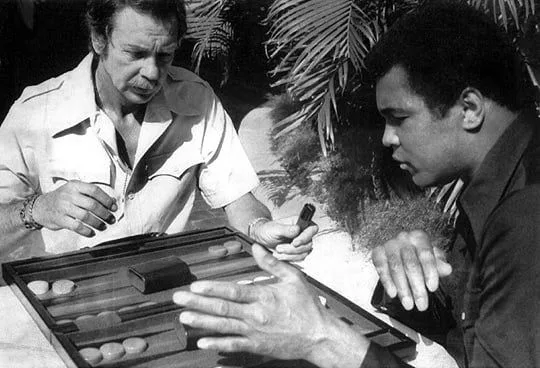
But my personal favorite is a menu from the 1970s that talks about how you can play backgammon with champion Baron Vernon Ball, who was also the owner of the establishment for decades. Indeed, here's a picture of him playing backgammon with Muhammad Ali. Now, the Facebook group where I found this image mentions them playing in Puerto Rico, and Ali did face off in 1976 against Jean-Pierre Coopman in the only heavy weight boxing match on that island.
However, if "The Greatest" stayed at Hotel 1829, doesn't it make more sense that that's where this backgammon game was played?
Psychic Backgammon?
Now, Backgammon is a game built on chance. Every throw produces an immediate, measurable outcome. To our Baron Ball, this made it the perfect testing ground for what parapsychologists in the mid-20th century were calling mind–matter interaction .
Ball claimed that when he entered a calm, focused mental condition, often referred to as the alpha state, he experienced statistically improbable success at the board. Doubles appeared at critical moments. Fortunate rolls arrived when strategy alone shouldn’t have been enough. He believed he wasn’t forcing outcomes, but gently nudging them.
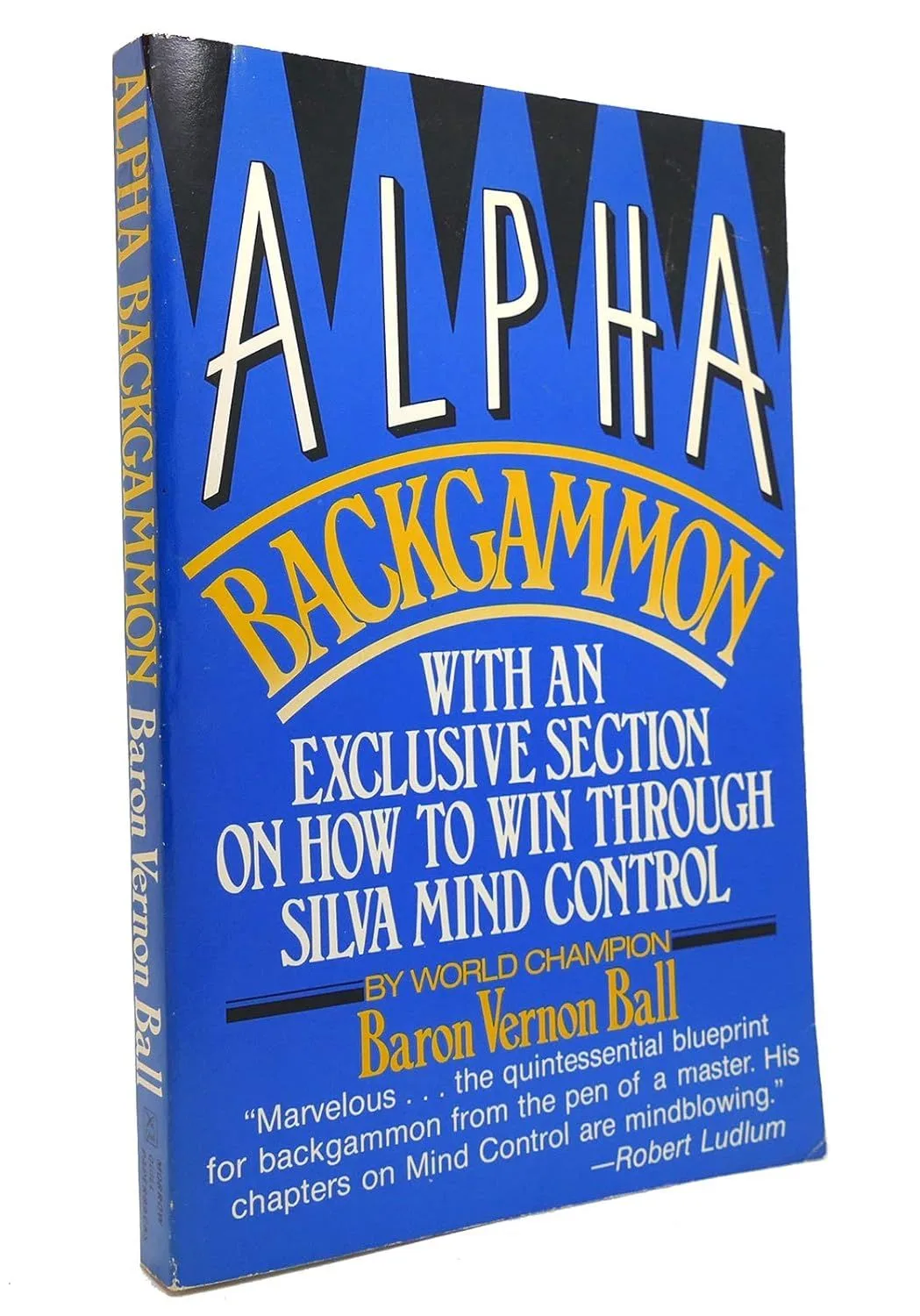
These ideas eventually became the foundation of his 1980 book, Alpha Backgammon , a cult-favorite that blends gaming strategy, meditation techniques, and personal experimentation. The book never promises riches or domination at the table. Instead, it reads like a field journal from the era’s fascination with ESP, consciousness expansion, and the possibility that intention might influence randomness.
Whether Ball’s results were psychic phenomena, coincidence, or selective memory remains a matter of debate. But what’s undeniable is that Hotel 1829 served as a haven for thinkers willing to test the boundaries of conventional reality. In an age when scientists were wiring up random number generators to study psychic influence, Ball was doing his experiments over a backgammon board.
The Jewel Of The King's Quarter
Now reopened and renovated, Hotel 1829 styles itself as "The Jewel Of The King's Quarter", which was historically the cultural and social heart of the city, home to merchants, officials, sailors, and visiting dignitaries. While many buildings in the area were altered, rebuilt, or lost over time, Hotel 1829 retained its distinctive architecture, craftsmanship, and sense of place . Its survival through fires, economic shifts, and changing eras helped cement its reputation as a rare original, something precious in a district defined by constant movement and reinvention.
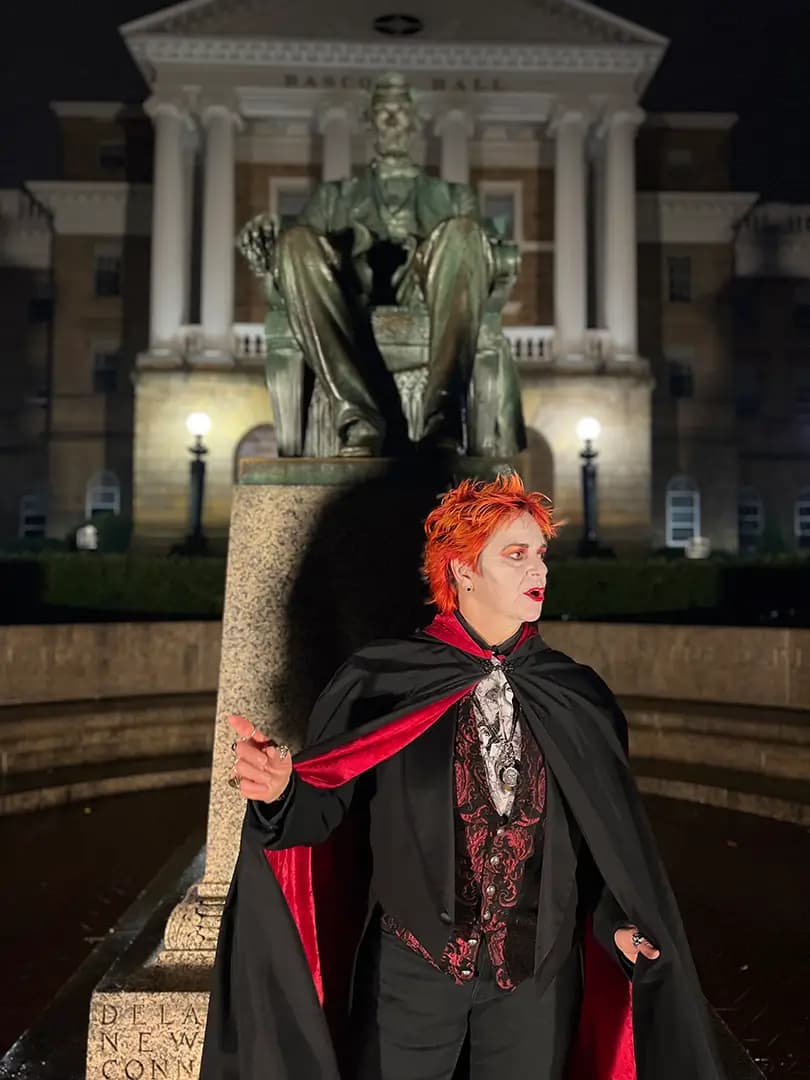
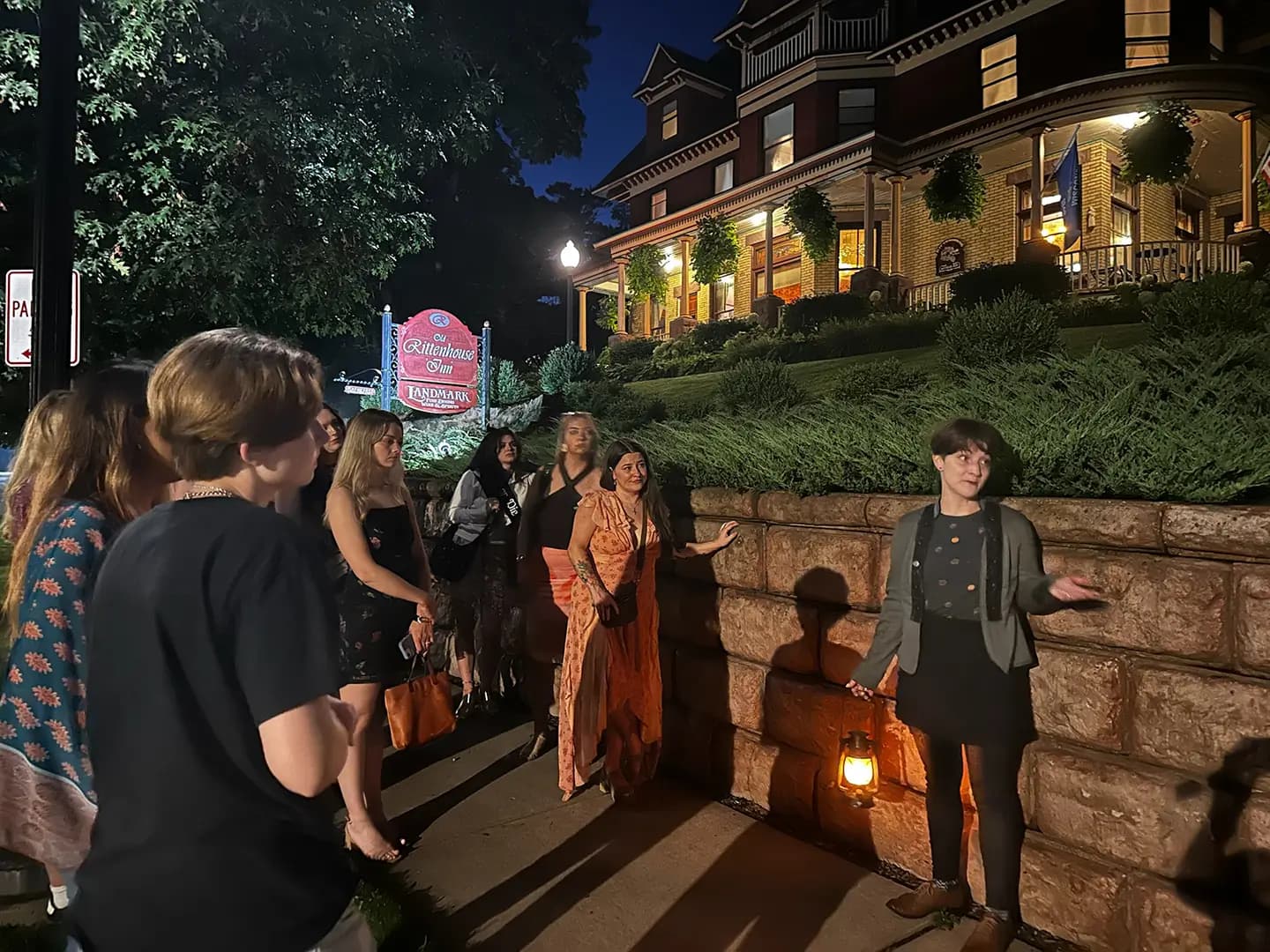
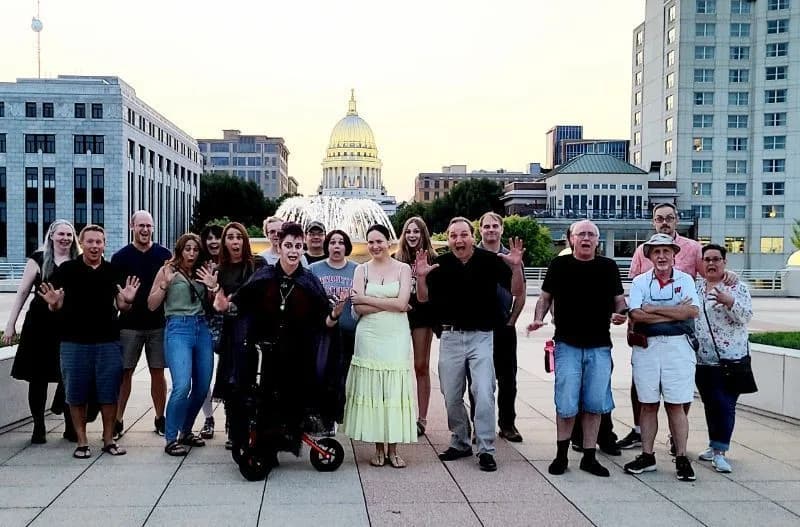
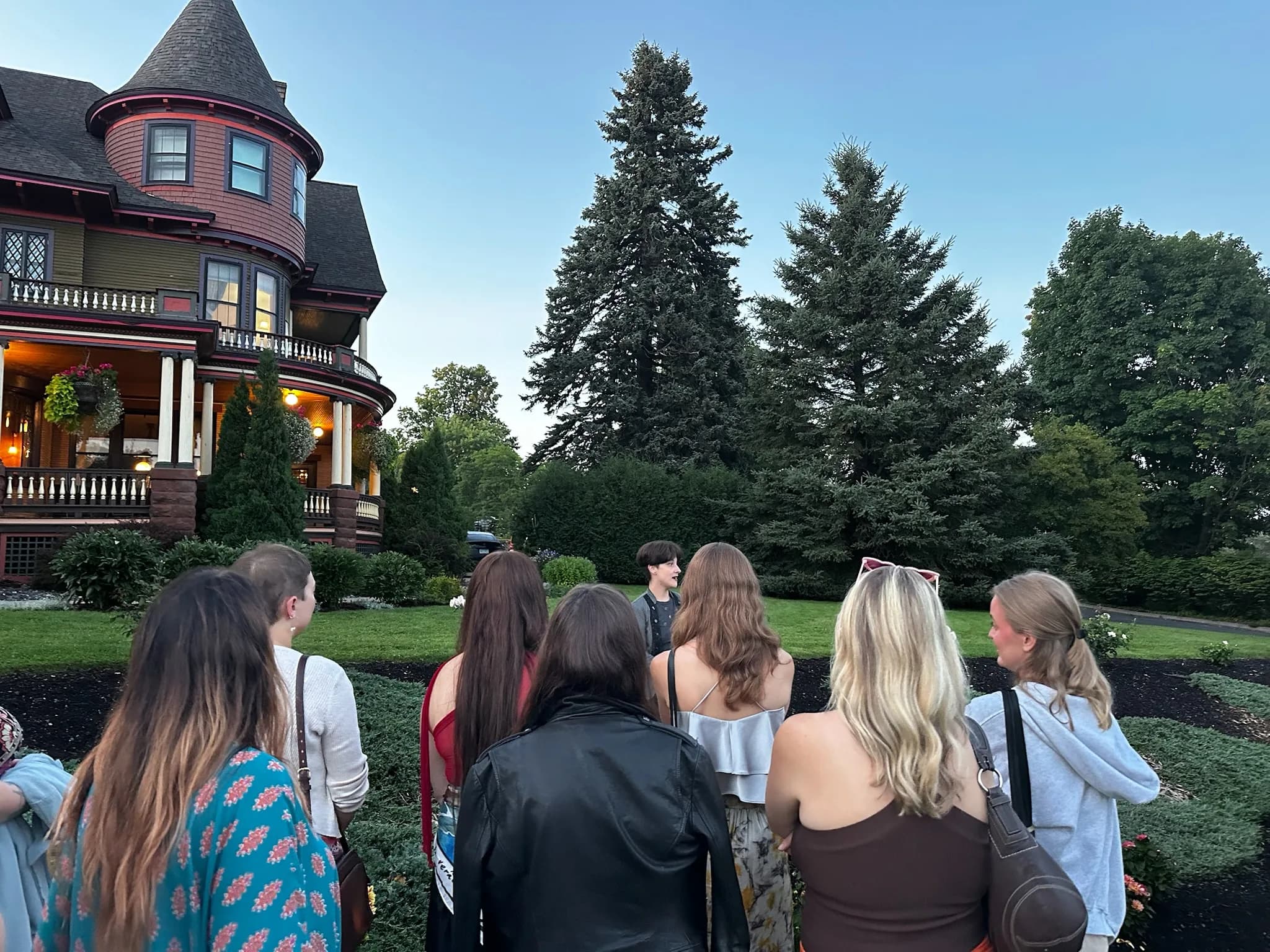
If you want to explore haunted Charlotte Amalie beyond the highlights and actually walk through the historic district where these stories took root, join our St. Thomas Charlotte Amalie Ghost Walk , which we put together through thorough research, and on-the-ground interviews with the people who live and work in these amazing buildings every day.