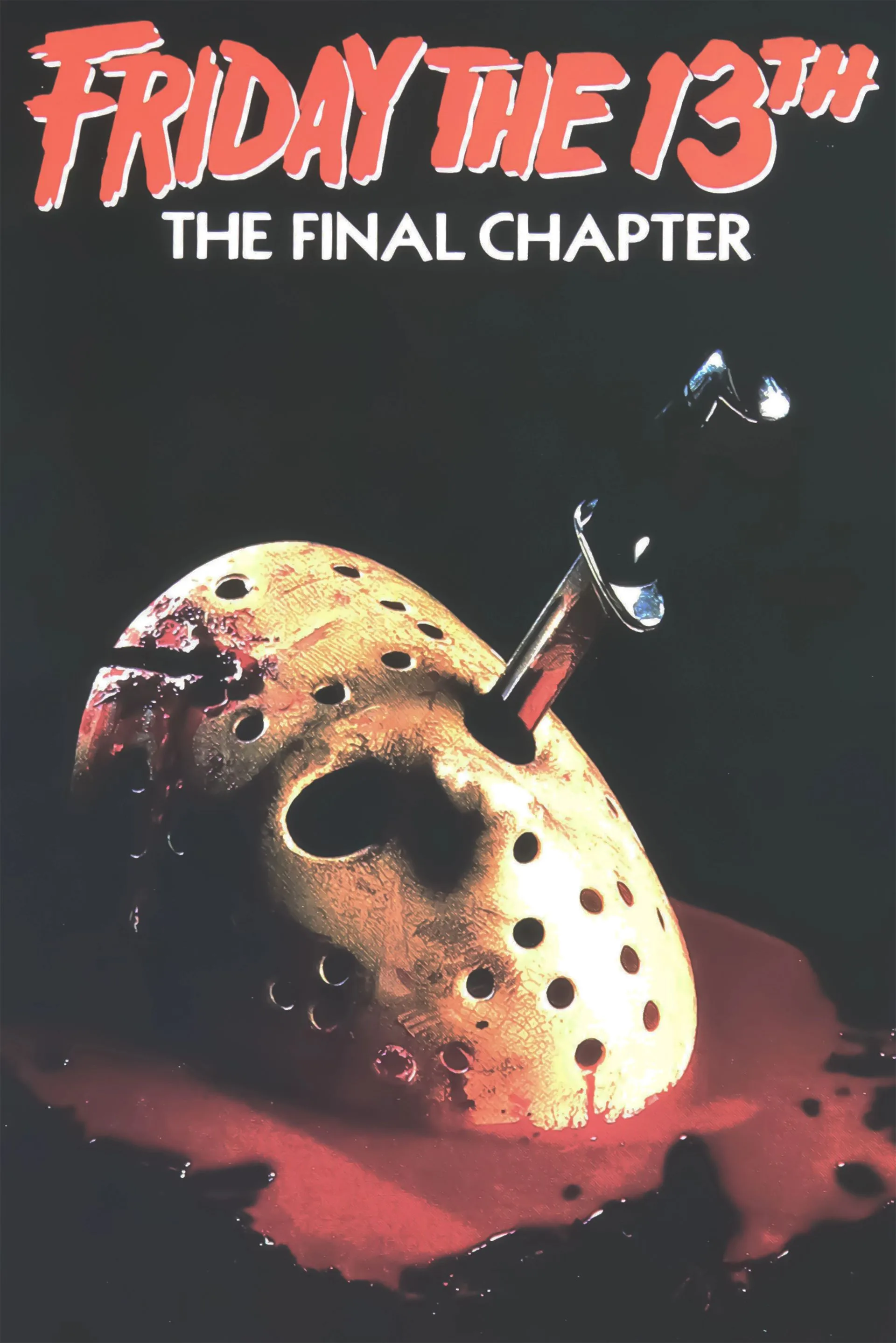
It's that time again for everyone's favorite unlucky holiday, Friday the 13th ! And funny enough, the slasher series from which Kevin Bacon's career was launched and hockey-masked mass killer Jason Vorhees (and his murderous mother) emerged started only from a title. Producer Sean S. Cunningham was inspired by the success of John Carpenter's Halloween and wanted to make his own horror movie in that vein. So taking the ingredients of that seminal horror movie, he grabbed a spooky holiday name and found a mask for the killer to wear, and he even ran in ad in International Variety magazine giving a timeframe for the debut of the film before a script was finished. The title came before the movie and it worked! Friday the 13th spawned ten sequels and a remake in the thirty years since it debuted.
But why do we think of that day as unlucky?
It's Actually Two Separate Superstitions Mashed Together
Here's the thing most people don't realize: "Friday the 13th" as a single unlucky concept is surprisingly modern. The number 13 has been considered unlucky for centuries, and Friday has independently been considered an unlucky day for centuries, but as folklorist Steve Roud documents in
The Penguin Guide to the Superstitions of Britain and Ireland
, the combination of the two into one superstition is a Victorian-era invention, with the first concrete English-language reference to the specific bad luck of Friday the 13th appearing around 1913.
Why Is the Number 13 Unlucky?
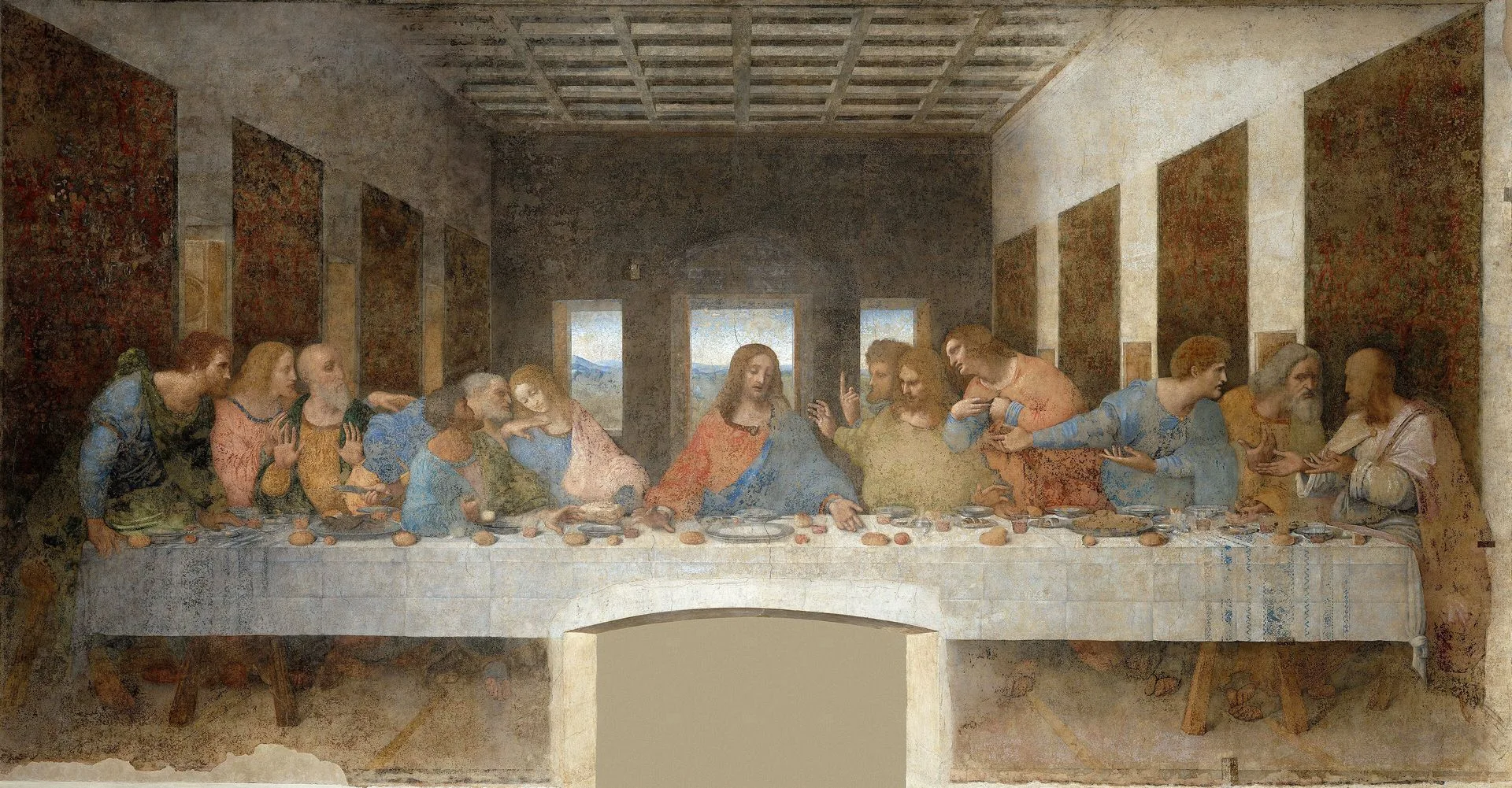
The Last Supper
The most commonly cited origin ties back to Christianity. There were 13 people seated at the Last Supper, Jesus and his twelve apostles, and the 13th to sit down is traditionally said to have been Judas Iscariot, who betrayed Jesus. This gave rise to a longstanding superstition that having 13 guests at a table was courting death, though this specific association appears to have solidified in the medieval period rather than in early Christianity.
Norse Mythology
An older parallel comes from Norse mythology. In the story, 12 gods were feasting in the great hall of Valhalla when Loki, the trickster god, showed up uninvited as the 13th guest. Loki then manipulated the blind god Höd into killing his brother Balder, the beloved god of light, with a mistletoe-tipped arrow. The death of Balder plunged the world into mourning.
12 as the "Complete" Number
There's also a simpler mathematical/cultural explanation: Western civilization is steeped in the number 12 as a symbol of completeness. Twelve months, twelve zodiac signs, twelve hours on a clock, twelve tribes of Israel, twelve labors of Hercules, twelve gods of Olympus. The number 13 breaks that neat pattern, it's the interloper, the one too many.
The clinical term for fear of the number 13 is triskaidekaphobia — coined in 1908 in Religion and Medicine: The Moral Control of Nervous Disorders by Elwood Worcester, Samuel McComb, and Isador H. Coriat.
Why Is Friday Unlucky?
Friday's reputation as an unlucky day also has deep roots in Christian tradition. According to various Biblical traditions:
- Jesus was crucified on a Friday (hence "Good Friday," though the day itself carried an ominous weight).
- Friday is said to be the day Adam and Eve ate the forbidden fruit from the Tree of Knowledge.
- It's also been associated with the day Cain murdered his brother Abel, and the day the Great Flood began.
The literary record backs this up: Geoffrey Chaucer references Friday as an unlucky day in
The Canterbury Tales
(late 14th century), warning readers not to begin a journey or start a project on a Friday. However, broader references to Friday as generally ill-fated in English sources don't become common until around the mid-17th century.
So When Did "Friday the 13th" Become a Thing?
The Earliest Known Written Reference (1834)
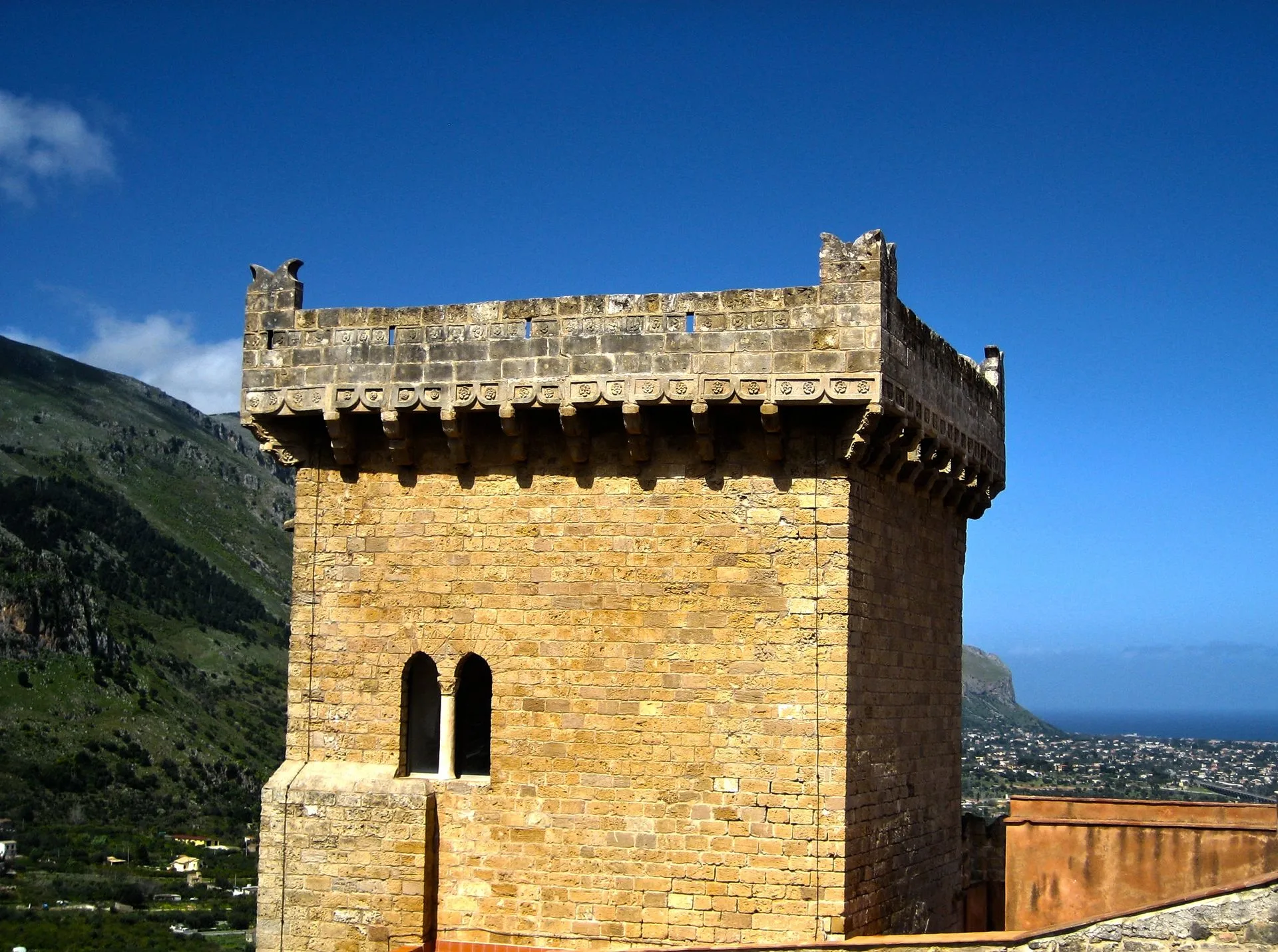
The earliest known written reference linking Friday and the 13th comes from 19th-century France. An 1834 article in the French literary magazine Revue de Paris , written by Italian author Marquis de Salvo, references a Sicilian count who killed his daughter on Friday the 13th.
It Hits the English-Speaking World (Late 1800s–Early 1900s)
In the late 1880s and early 1890s, references to a belief in Friday the 13th begin showing up regularly in American newspapers. But the superstition truly exploded into popular consciousness with Thomas W. Lawson's 1907 novel
Friday, the Thirteenth
, in which an unscrupulous Wall Street broker deliberately exploits the superstition to crash the stock market. The book was a hit — it sold over 60,000 copies in its first month. After publication, stockbrokers allegedly refused to trade on any Friday the 13th.
What About the Knights Templar?
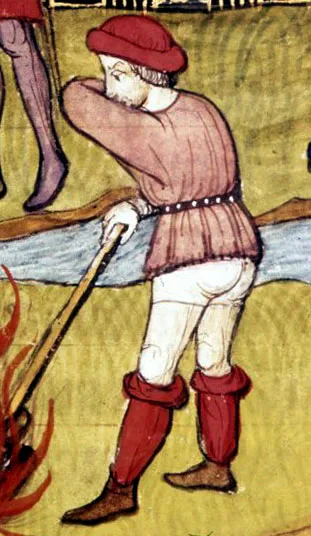
This is the one you've probably heard: On Friday, October 13, 1307, King Philip IV of France ordered the mass arrest of the Knights Templar. Hundreds of members were seized, including Grand Master Jacques de Molay. The charges of heresy, idolatry, and sodomt were largely fabricated; Philip was deeply in debt to the Templars and wanted their wealth. Many Templars were tortured into false confessions and eventually executed. De Molay himself was burned at the stake in Paris in 1314.
It's a real historical event, and it really did happen on a Friday the 13th. But historians are skeptical that it's actually the origin of the superstition . The connection between the Templar arrests and the Friday the 13th superstition was popularized much later, most notably by Dan Brown's 2003 novel The Da Vinci Code . Historian Helen Nicholson of Cardiff University has noted that many of the rationalizations linking the Templars to the superstition are relatively recent inventions.
Author Nathaniel Lachenmeyer, who has researched the superstition extensively, argues that before the 20th century, "13" and "Friday" were separately unlucky, but "Friday the 13th" wasn't really a unified concept, making the Templar connection a case of retrofitting history to fit a modern belief.
The Thirteen Club: A Victorian Attempt to Fight Back
Not everyone has taken this lying down. At 8:13 p.m. on Friday, January 13, 1882, Captain William Fowler, a Civil War veteran whose life was so entwined with the number 13 it bordered on absurd (he attended Public School No. 13, fought in 13 battles, and bought his bar on September 13), gathered 12 brave souls in room 13 of his Knickerbocker Cottage on Sixth Avenue and founded The Thirteen Club . To reach their meal, guests walked under a ladder and past a banner reading "Morituri te Salutamus" ("Those of us who are about to die salute you"). Salt cellars were deliberately overturned. The first of 13 courses was lobster salad molded into coffin shapes.
The club grew rapidly, from 13 members to over 1,300 by 1889. Four U.S. presidents (Chester A. Arthur, Grover Cleveland, Benjamin Harrison, and Theodore Roosevelt) joined its ranks.
It's Not Universal
Friday the 13th isn't a global superstition. It's largely a Western (especially Anglo-American) phenomenon.
- In Spain and Latin America, the unlucky day is Tuesday the 13th (martes trece). There's even a saying: "En martes, ni te cases ni te embarques" — "On Tuesday, don't get married or set sail."
- In Italy , it's Friday the 17th that's considered bad luck.
- In Greece , Tuesday the 13th is the feared date.
The Modern Impact
The fear of Friday the 13th has its own clinical name: paraskevidekatriaphobia (from the Greek paraskevi for Friday, dekatreís for thirteen, and phóbos for fear), coined by psychotherapist Donald Dossey.
The superstition has real economic consequences. It has been estimated that $800–$900 million is lost in American business on each Friday the 13th, as people avoid travel, delay purchases, and postpone major decisions.
And yet, a 2008 study by the Dutch Centre for Insurance Statistics found that fewer traffic accidents, fires, and thefts were actually reported on Friday the 13th compared to other Fridays, likely because superstitious people simply stayed home.
While Jason Vorhees might get all the credit, it's the obscure Friday The 13th: The Series that I enjoy the most when I think about the holiday. It was a low-budget horror show that was syndicated in the late 1980s and it was just gruesome and scary enough to leave a lasting impression on me. It was all about a shopkeeper who made a deal with the Devil (the late great RG Armstrong, who played the general who gave Arnold and Carl Weathers their marching orders in Predator , as well as taking on the Warlock in that film's misbegotten sequel) and he sold cursed antiques in his store. After he dies and his soul goes to Hell, his younger relatives inherit the store and it's up to them to get the cursed items back.
Every episode of Friday the 13th: The Series was basically the same, where someone comes into contact with one of the items and it promises them fame, money, sex, adoration, etc... but people have to be killed to feed it. If they stop killing, then they stop getting what they want, and well, once you get a taste, you never want to give it up. Anyway, this show is why I'm always wary of seeing things that are too good to be true, because there is no magic pill and you never get something for nothing .
Anyway, my Friday the 13ths haven't been particularly unlucky, but I have had several strange occurrences on the 12th of the month in the past. Coincidence?! Who knows, maybe 12 isn't a "complete" number for me. But whatever your luck is right now, it's always in our power to turn it around. So, here's a little salt to throw over your shoulder... just in case.

Stock photos provided by
depositphotos.com
A Spirited Start: A Guide to Haunted New Year's Eve Traditions
As the clock strikes midnight on New Year's Eve, the world erupts in a chorus of celebration. But in some places, the stroke of midnight awakens more than just the new year. It stirs the spirits of the past, who are drawn to the raw energy and emotion of this transitional night. From the smoky speakeasies of the gangster era to the glittering hotels of Hollywood's golden age, here are some of America's most haunted New Year's Eve destinations.
St. Paul, Minnesota: A Gangster's Last Party
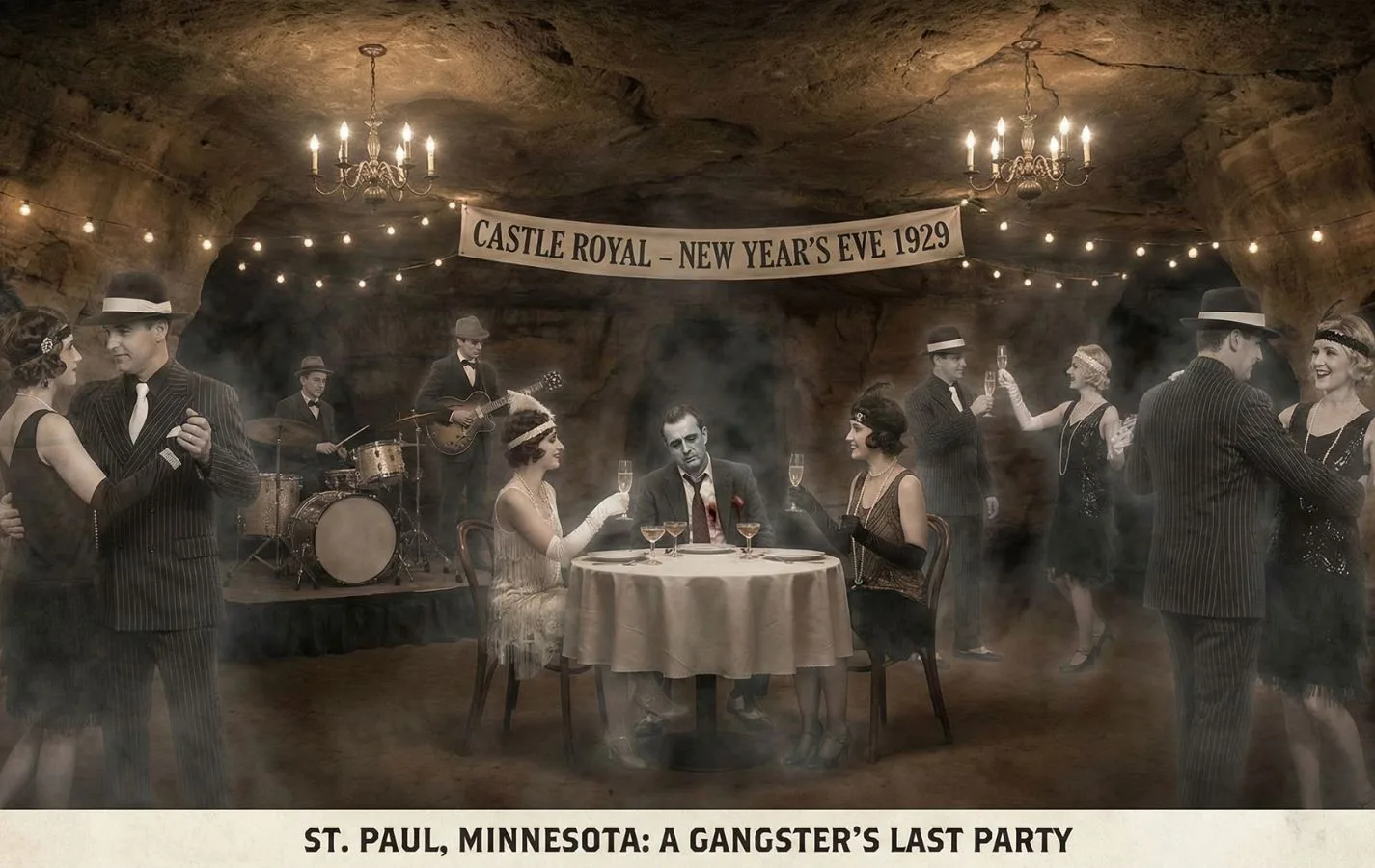
In the Roaring Twenties, St. Paul was a city with a secret. It was a notorious haven for gangsters, thanks to an unofficial "layover policy" with the city's police chief. As long as they kept their business outside the city limits, mobsters like John Dillinger and the Barker-Karpis gang were free to hide out and spend their ill-gotten gains.
The
Wabasha Street Caves
, a former silica mine carved into the bluffs of the Mississippi River, became a glamorous speakeasy known as the Castle Royal. It was a place of illicit booze, jazz music, and lavish New Year's Eve parties where gangsters and socialites rubbed elbows. It is said that the ghosts of these parties still linger. As the
Wabasha Street Caves' own history
notes, visitors report hearing the phantom clinking of glasses, the faint strains of a jazz band, and the apparitions of men in pinstripe suits and women in flapper dresses, forever celebrating a New Year's Eve from a bygone era. The most famous story is of a gangster shot and killed in the caves, his spirit now haunting the back rooms, forever searching for his killer. These tales of the city's gangster past are a cornerstone of
St. Paul's haunted history
, an era of speakeasies and spectral celebrations.
Hollywood, California: A New Year's Toast with Marilyn Monroe
New Year's Eve in Hollywood is a time of legendary parties and celebrity glamour. But at the Hollywood Roosevelt Hotel , the guest list includes some stars who checked in but never truly checked out. The hotel, which hosted the first-ever Academy Awards, is a hotbed of paranormal activity, and New Year's Eve is when the spirits are said to be most active.
The ghost of
Marilyn Monroe
is famously seen in the reflection of a full-length mirror that once hung in her favorite suite. On New Year's Eve, when the hotel is filled with the energy of celebration, her playful spirit is said to be at its strongest. Guests have reported feeling a sudden chill, smelling the faint scent of her perfume, and even seeing her reflection in the mirror, as if she's getting ready for a party she'll never attend.
Another famous ghost is that of actor
Montgomery Clift
, who haunts the ninth floor. He lived in Room 928 for three months while filming
From Here to Eternity
. Guests and staff report hearing him practicing his trumpet, pacing the hallways, and even feeling his presence in the room. On New Year's Eve, his lonely and restless spirit is a stark contrast to the celebrations happening just a few floors below, a story captured in a
Vanity Fair article
about the hotel's hauntings. These stories are a highlight of
Hollywood's paranormal lore
, where the glamour of the past meets its ghostly reality.
San Juan, Puerto Rico: The Ghosts of Three Kings Day
In Puerto Rico, the holiday season extends to El Día de los Reyes , or Three Kings Day, on January 6th. This is a time of vibrant festivals and ancient traditions, and it's also when the island's colonial spirits are said to be most active.
El Morro
, the 16th-century Spanish fort that guards San Juan Bay, is a place of immense historical and spiritual power. The ghosts of Spanish soldiers are said to still patrol its ramparts, forever watching for enemy ships. During the festive season of Three Kings Day, the contrast with the fort's somber history is particularly stark. According to the
National Park Service
, visitors have reported hearing phantom cannon fire and seeing the apparitions of soldiers in colonial uniforms.
The streets of
Old San Juan
are also filled with holiday spirits. The city's blue cobblestones are said to hold the memories of centuries of history. The ghost of a young woman who died after falling from a balcony is said to haunt Calle del Cristo, and the spirit of a priest who was killed during a revolt is seen in the Plaza de Armas. The city's rich history and
haunted folklore
offer a unique way to experience the magic and mystery of a Puerto Rican holiday.
Chicago, Illinois: The Water Tower's Winter Spirits
While the Iroquois Theatre Fire is Chicago's most famous holiday tragedy, the city has other winter spirits. The Chicago Water Tower , one of the few buildings to survive the Great Chicago Fire of 1871, is a beautiful limestone landmark on Michigan Avenue. But it's also home to several ghosts.
The most famous ghost is that of an unknown man who was operating the water pumps during the Great Chicago Fire. As the flames engulfed the city, he realized his efforts were futile. Rather than face the fire, he climbed to the top of the tower and hanged himself. His ghost is said to haunt the upper levels of the tower, and as recounted by
Windy City Ghosts
, his shadowy figure has been seen in the windows by countless passersby.
Two other tragic deaths are associated with the tower. In 1875, Frederick Kaiser, a young German bookkeeper suffering from depression, jumped to his death from the top of the tower. Six years later, Hugo Von Malapert, another German immigrant facing financial ruin, also jumped from the tower. Both men are said to haunt the tower, their spirits forever trapped in the place of their tragic ends. The stories of the Water Tower, a key landmark in
Chicago's haunted history
, serve as a chilling reminder that some spirits are forever tied to the places of their greatest despair.
New Orleans, Louisiana: Voodoo and New Year's Rituals
New Orleans is a city where the veil between the living and the dead is always thin, but during the New Year's season, it becomes almost transparent. New Year's Eve in New Orleans is not just a time for parties; it's also a time for spiritual rituals and offerings to the spirits.
Marie Laveau, the legendary Voodoo Queen of New Orleans, is said to be particularly active during the New Year's season. Her tomb in St. Louis Cemetery No. 1 is a pilgrimage site for those seeking her blessing or her curse. On New Year's Eve, when the city is filled with the energy of celebration and transition, her spirit is said to be at its most powerful.
The LaLaurie Mansion on Royal Street is another site of intense paranormal activity. The mansion was the site of horrific torture and murder in the 1830s. The spirits of Delphine LaLaurie's victims are said to haunt the mansion, and their cries can be heard on quiet nights. The city's voodoo traditions and most famous hauntings, including the LaLaurie Mansion and the tomb of Marie Laveau, are central to its
paranormal identity
.
St. Thomas, Virgin Islands: Colonial Spirits and Pirate Ghosts
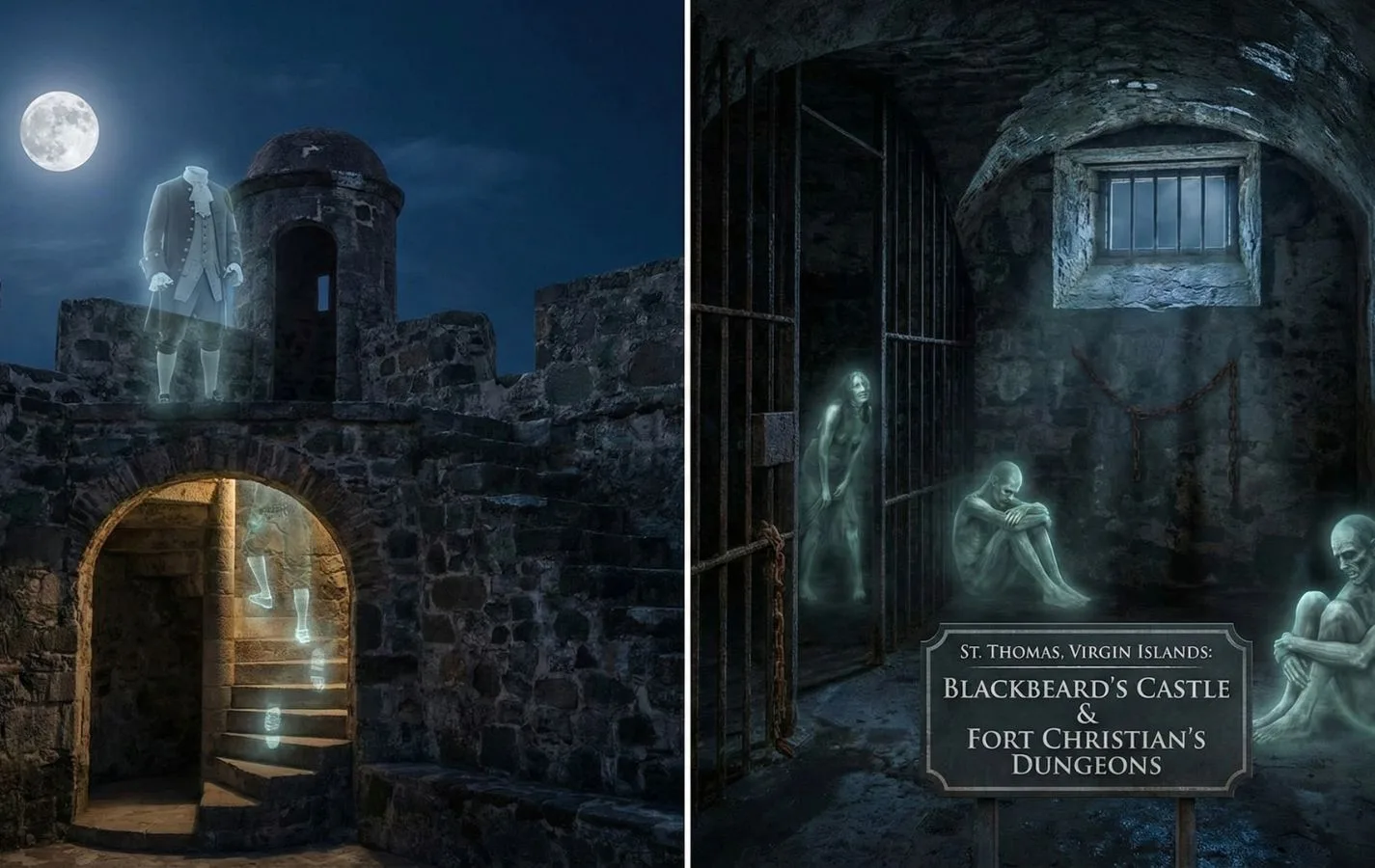
For those seeking a tropical New Year's celebration with a ghostly twist, St. Thomas in the U.S. Virgin Islands offers a unique blend of Caribbean beauty and colonial horror. Fort Christian , the oldest standing structure in the Virgin Islands, is a place of immense historical and spiritual power.
The dungeons of Fort Christian are said to be haunted by the spirits of prisoners who died in its dark, damp cells. As noted by the
U.S. Virgin Islands tourism board
, visitors report hearing the sound of chains rattling and seeing shadowy figures in the dungeons.
Blackbeard's Castle
, another historic site on St. Thomas, is also said to be haunted. The tower is rumored to have been a lookout point for the infamous pirate Blackbeard. Visitors report seeing the apparition of a headless man and hearing the sound of footsteps on the stone stairs. The haunted dungeons of Fort Christian provide a chilling look into the island's
dark colonial past
.
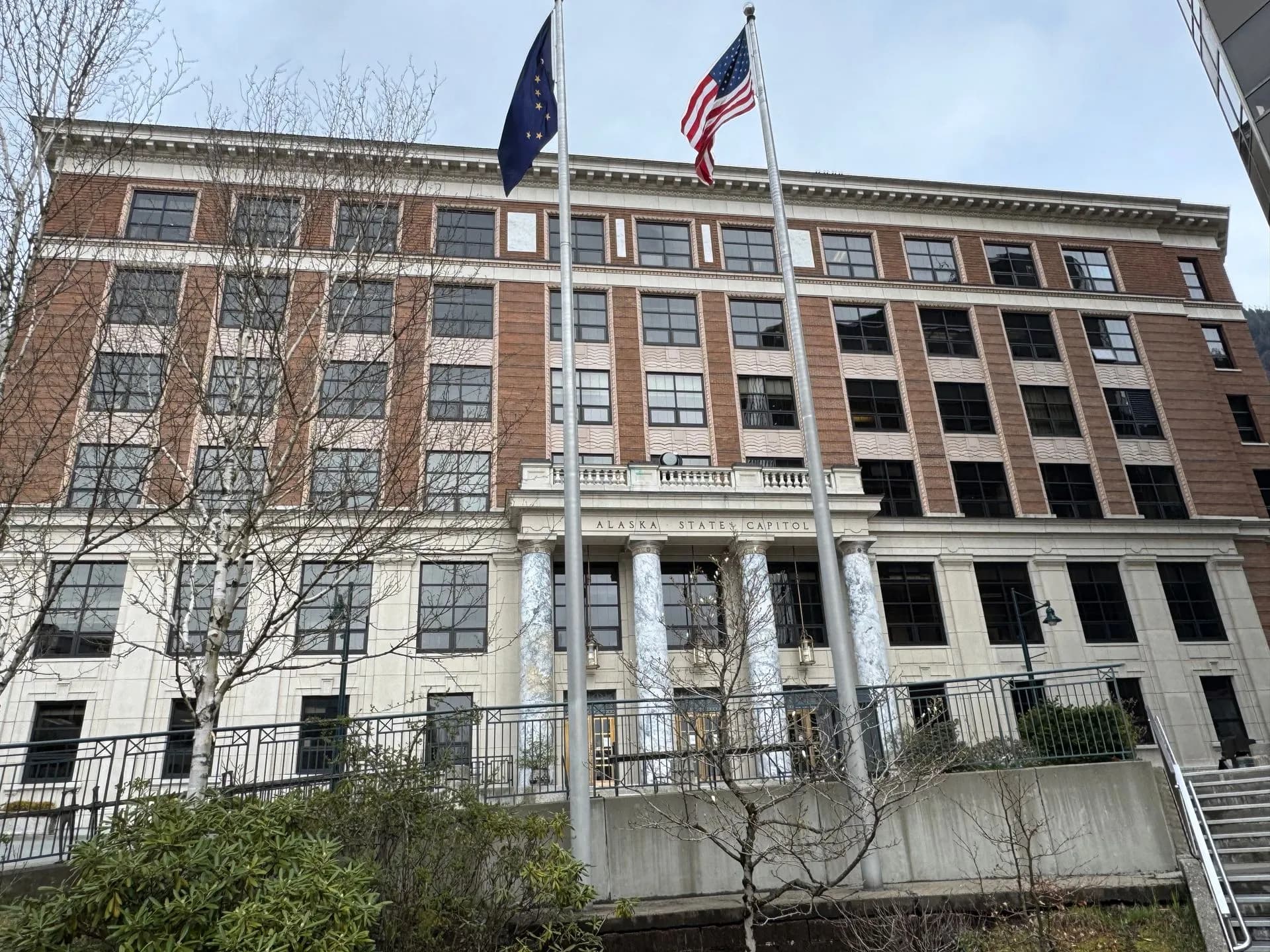
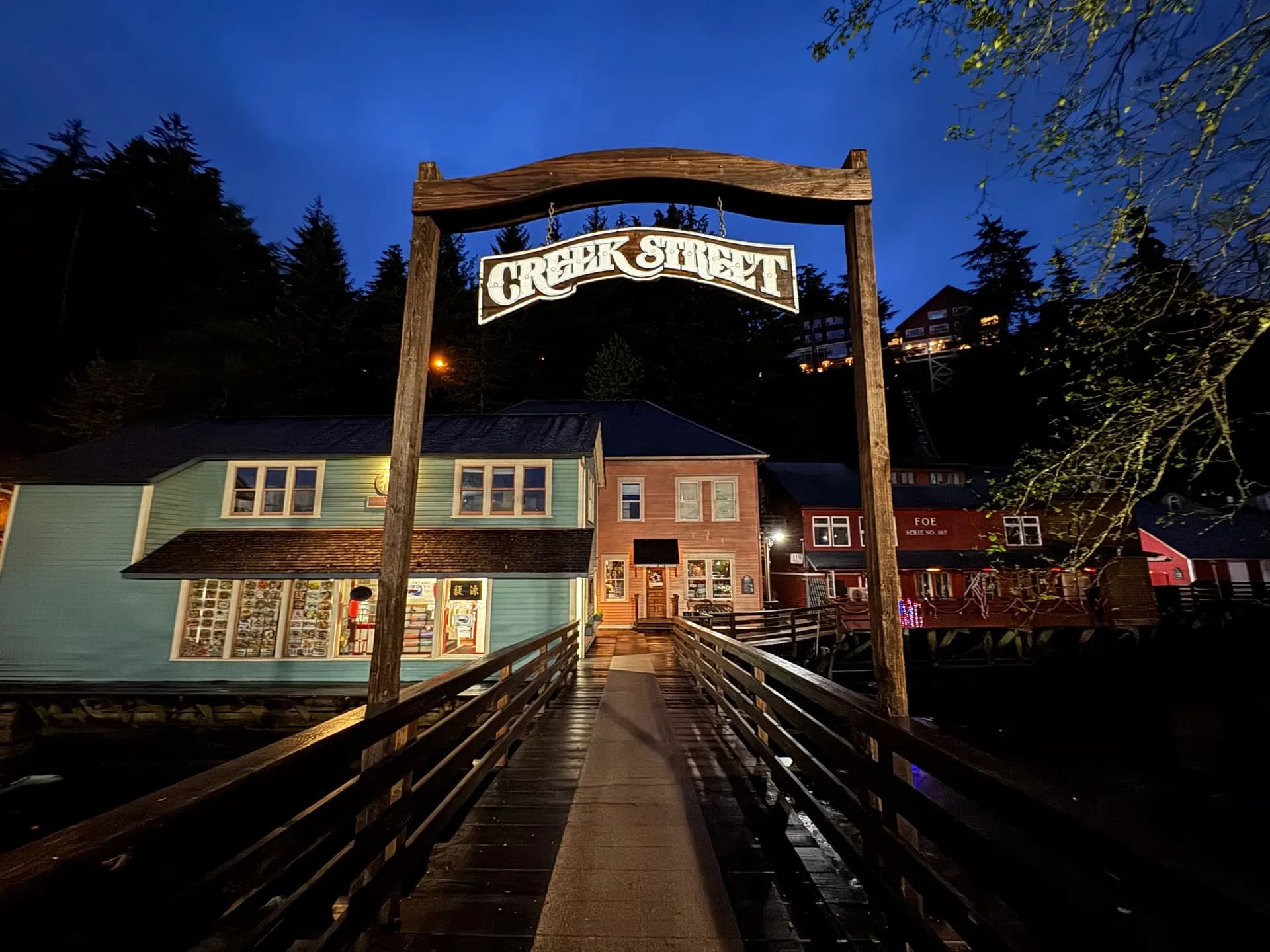
Alaska: Ghosts of the Frozen North
For those who truly want to embrace the cold and dark of winter, Alaska offers a New Year's experience unlike any other. The state's history of gold rush dreams, isolation, and tragedy has left behind a legacy of ghost stories.
In
Juneau
, the
Alaskan Hotel
, built in 1913, is said to be haunted by the
Lady in Red
, the spirit of a woman who worked in the hotel during the gold rush era. Guests report seeing her apparition in a red dress and hearing her footsteps in the hallways. The
Red Dog Saloon
, another historic Juneau landmark, is also said to be haunted by the ghosts of gold rush miners. The tales of the city's gold rush ghosts and other local legends are a key part of
Juneau's haunted folklore
.
Why We See Ghosts on New Year's Eve
This New Year's, resolve to do something different. Instead of another crowded bar or another boring party, why not spend your evening with the spirits of the past? The stories are out there, woven into the fabric of these historic cities.
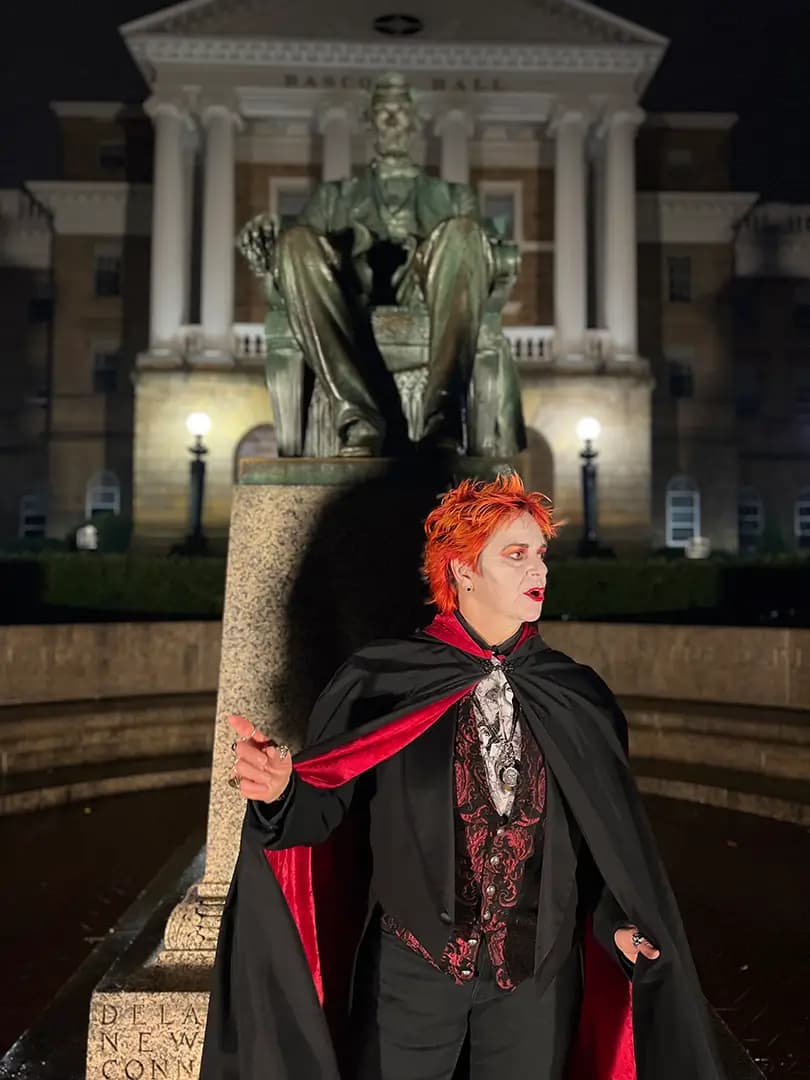
At American Ghost Walks, we're passionate about history and the paranormal. We believe that the truth is far more terrifying than any fiction. Whether you're in a snowy city like Chicago or a tropical paradise like St. Thomas, the ghosts of New Year's Eve are waiting.
Here's to a spooky and spirited New Year!
Boston, Massachusetts: A Revolutionary New Year
Boston, a city where the echoes of the American Revolution still ring through the cobblestone streets, has a particularly charged atmosphere on New Year's Eve. The city's historic cemeteries, like the Granary Burying Ground, are the final resting places of patriots like Paul Revere and Samuel Adams. On the cold, quiet nights of winter, their spirits are said to be most active.
Visitors to the Granary Burying Ground have reported seeing shadowy figures moving among the ancient headstones, and hearing the faint sound of voices engaged in hushed, urgent conversation. Some believe these are the ghosts of the Sons of Liberty, forever plotting their rebellion against the British Crown. On New Year's Eve, as the city celebrates its freedom, the spirits of those who fought for it are said to join in, their spectral forms a reminder of the sacrifices made for the birth of a nation.
San Francisco, California: The Lady of the Lake
San Francisco's Stow Lake, in the heart of Golden Gate Park, is a beautiful and serene spot, but it holds a dark secret. It is said to be haunted by the ghost of a woman who lost her child in the lake over a century ago. She is known as the "Lady of the Lake," and her tragic story is a staple of San Francisco folklore.
According to legend, the woman was walking with her baby in a stroller when she stopped to talk to a friend. When she turned back, the stroller was gone. She searched frantically for her child, but the baby was never found. Heartbroken, she drowned herself in the lake. Her spirit is said to haunt the lake to this day, forever searching for her lost child. On New Year's Eve, when the park is quiet and the fog rolls in from the bay, her mournful cries are said to be heard echoing across the water.
Seattle, Washington: The Hotel Sorrento's Spectral Muse
The Hotel Sorrento, one of Seattle's oldest and most elegant hotels, is also one of its most haunted. The hotel is said to be haunted by the ghost of Alice B. Toklas, the companion of writer Gertrude Stein. Toklas was a frequent guest at the hotel, and her spirit is said to have returned to the place she loved.
She is a creative and mischievous spirit, and she is often seen in the hotel's bar and restaurant. Guests and staff have reported seeing her apparition in a flowing white gown, hearing the sound of her laughter, and feeling her playful presence. She is particularly active during the New Year's season, when the hotel is filled with the energy of celebration and creativity. She is a beloved figure in the hotel's history, a spectral muse who continues to inspire and entertain its guests.